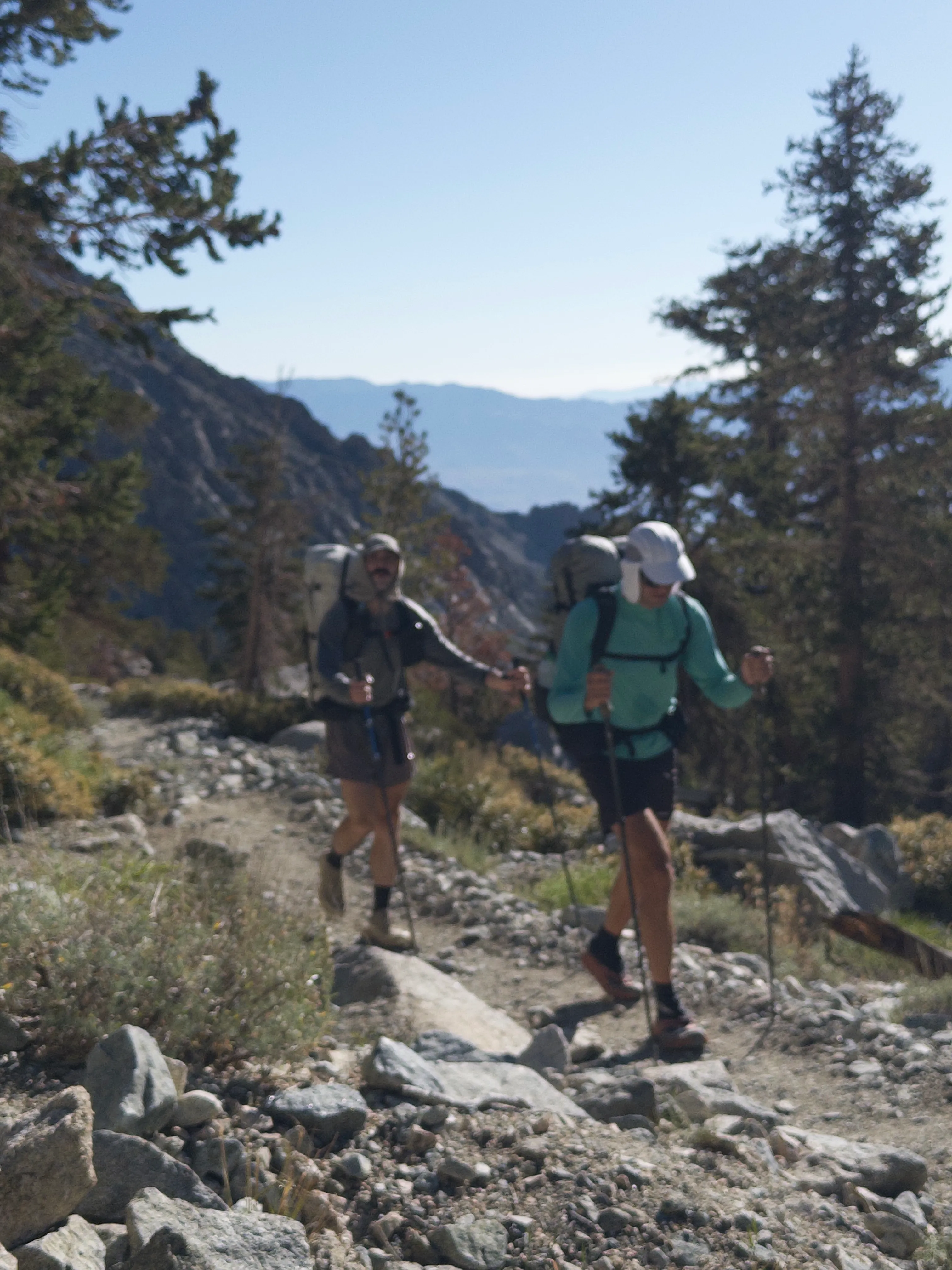
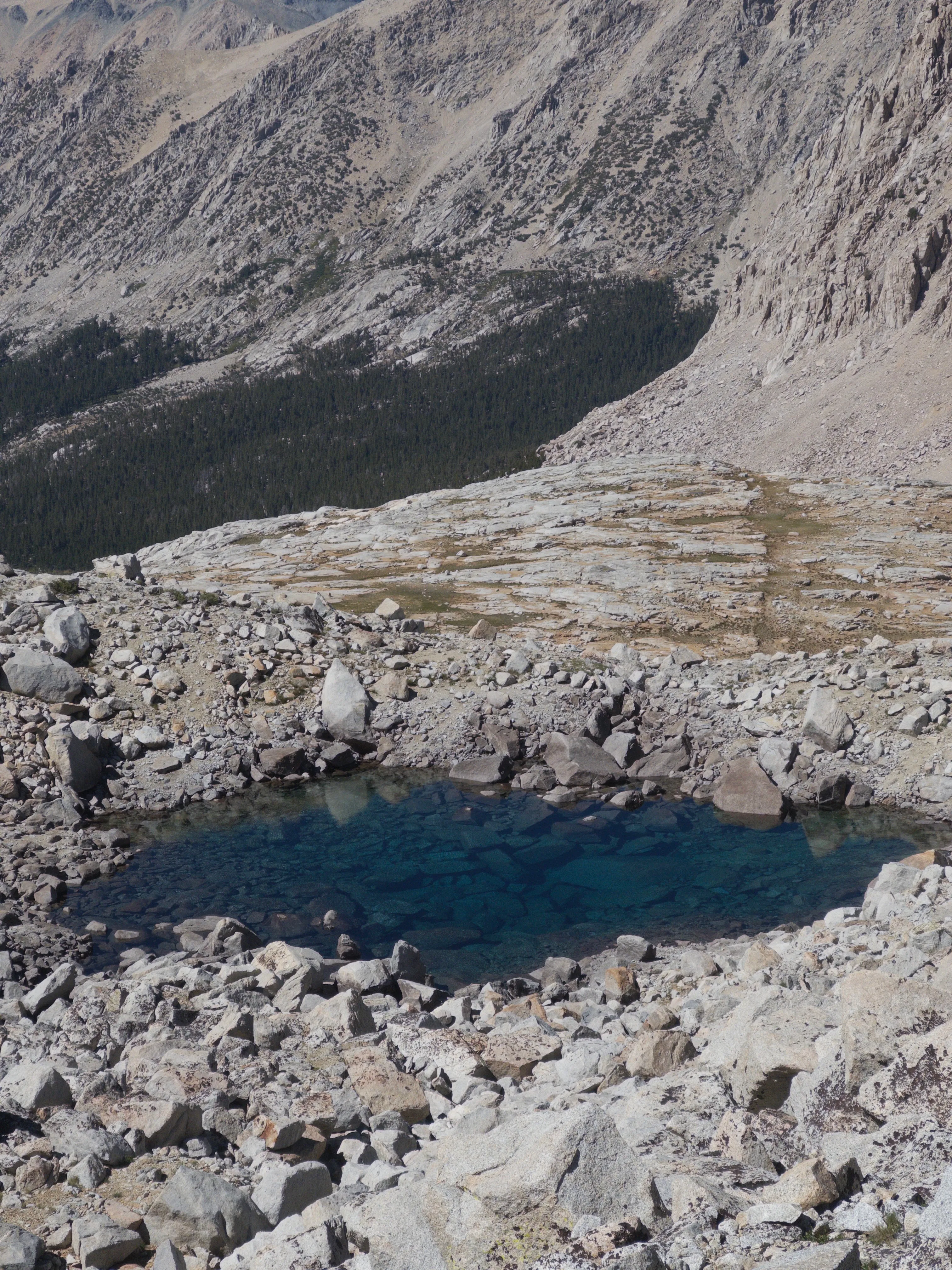
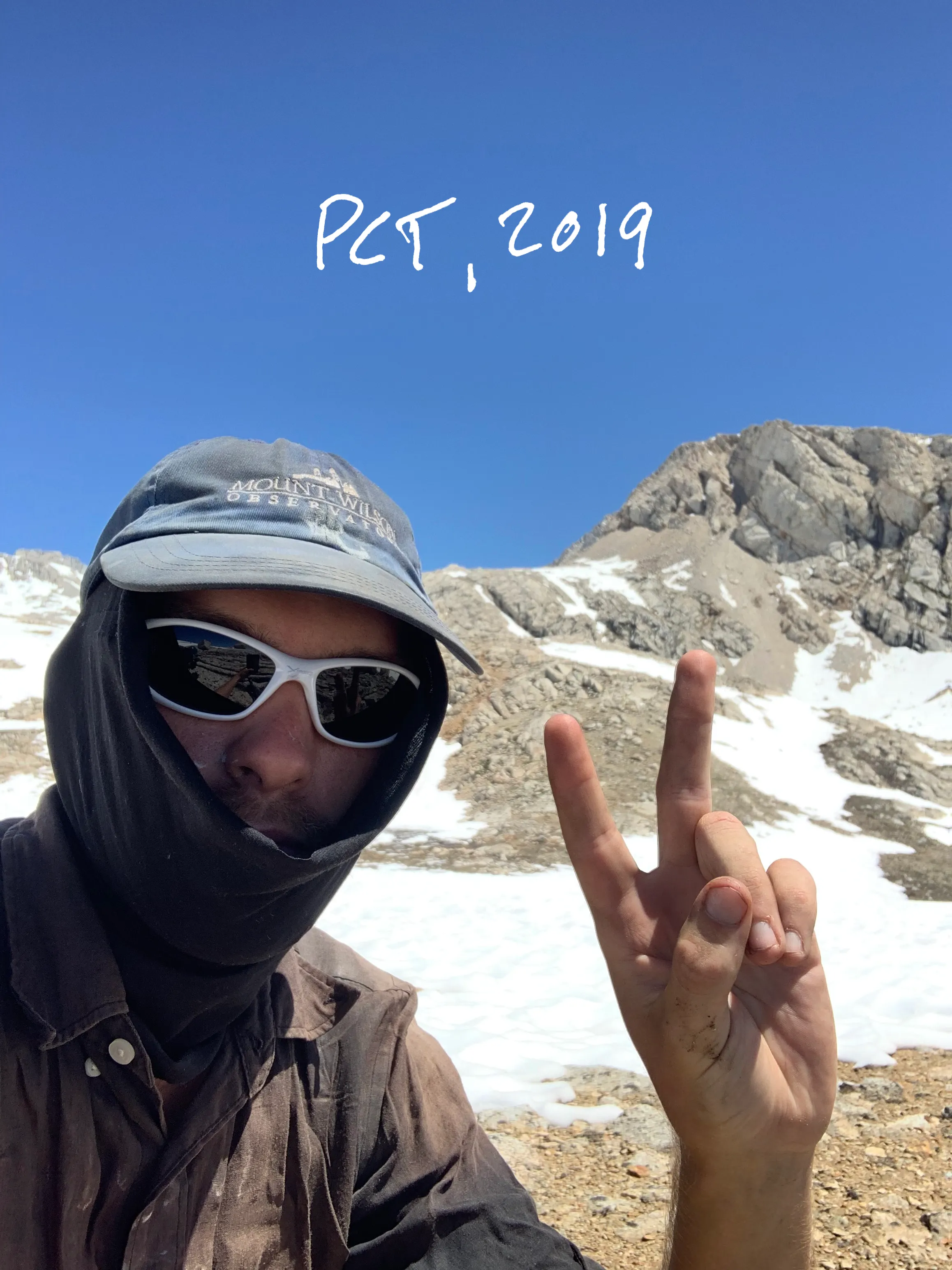
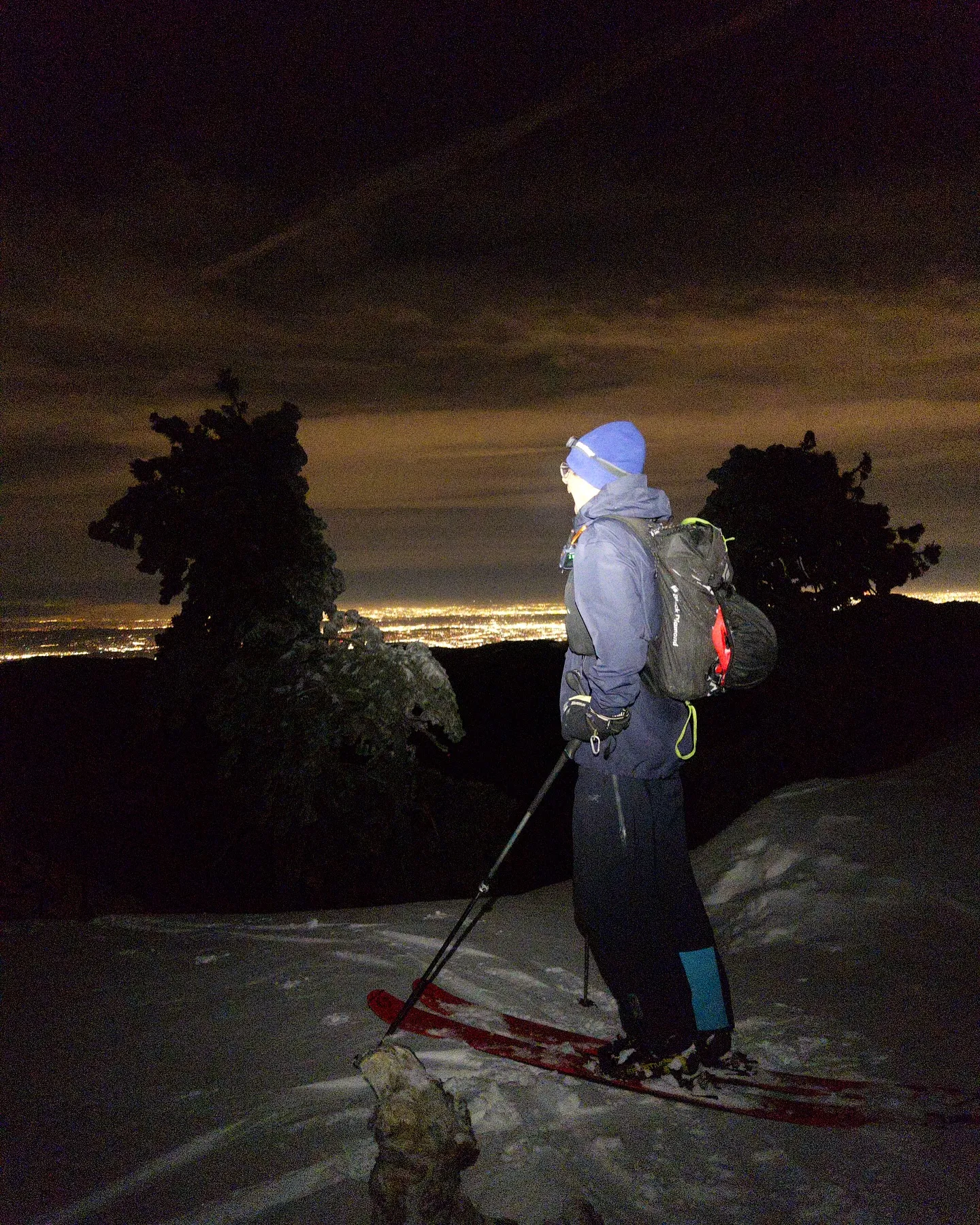
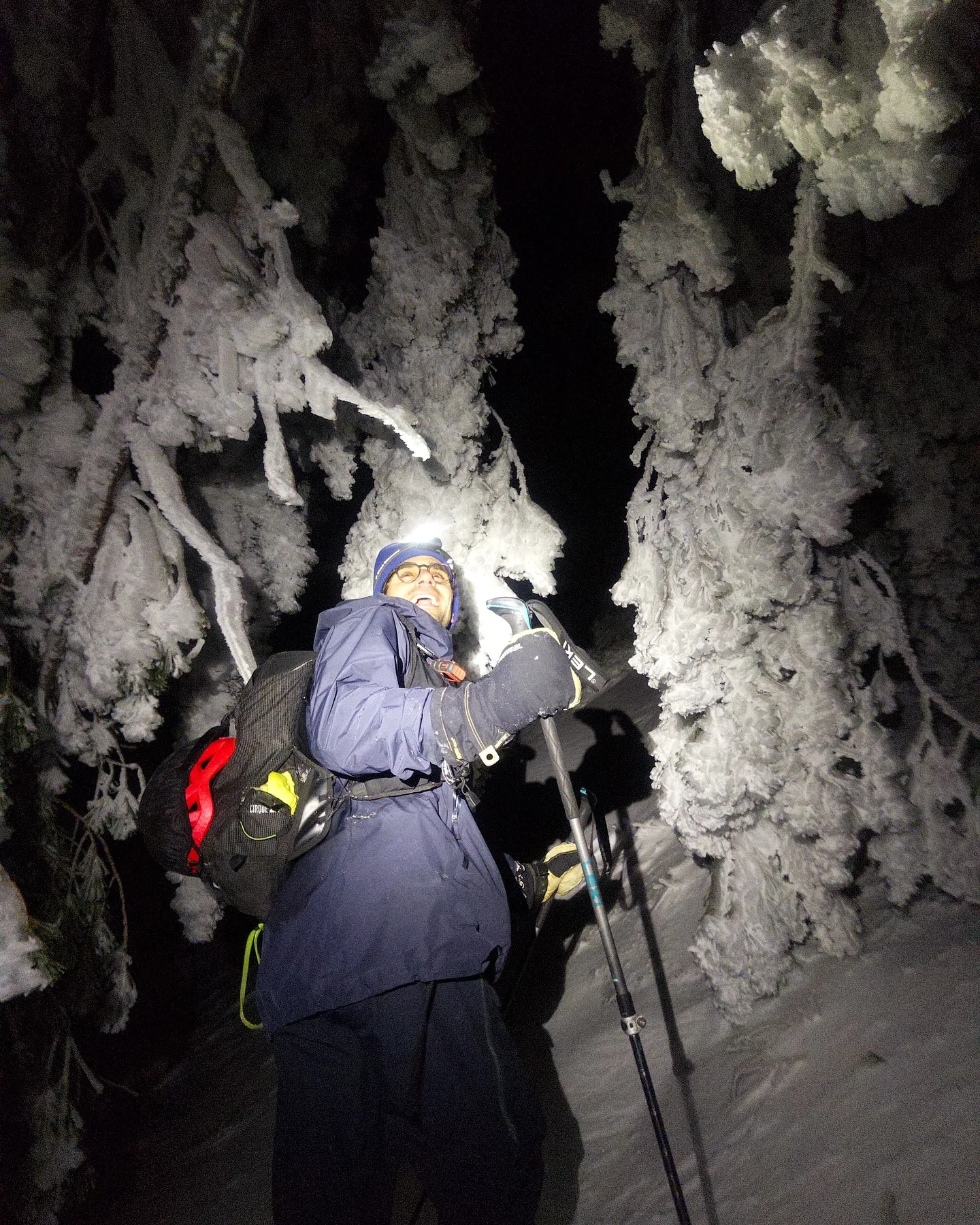
There’s an abundance of resources available on any topic. It’s easy to stumble into paralysis. When I was planning for the Pacific Crest Trail, the question of what to bring with me felt heavy in a literal sense. Each gram counts when you’re carrying it on your back for a few thousand miles.
Like any beginner, all I knew was I didn’t know.
One afternoon I scrolled across Ray and Jenny Jardine. Together they are true OGs of ultralight backpacking equipment. Packs were once heavy canvas bags with metal frames and chunky hip belts. The Jardines began creating their own packs that answered to their personal requirements.
Essentially trash bags with straps.
Single volume, silnylon, no hipbelts, or any other fuss. Ray often wore his pack slung over a single shoulder.
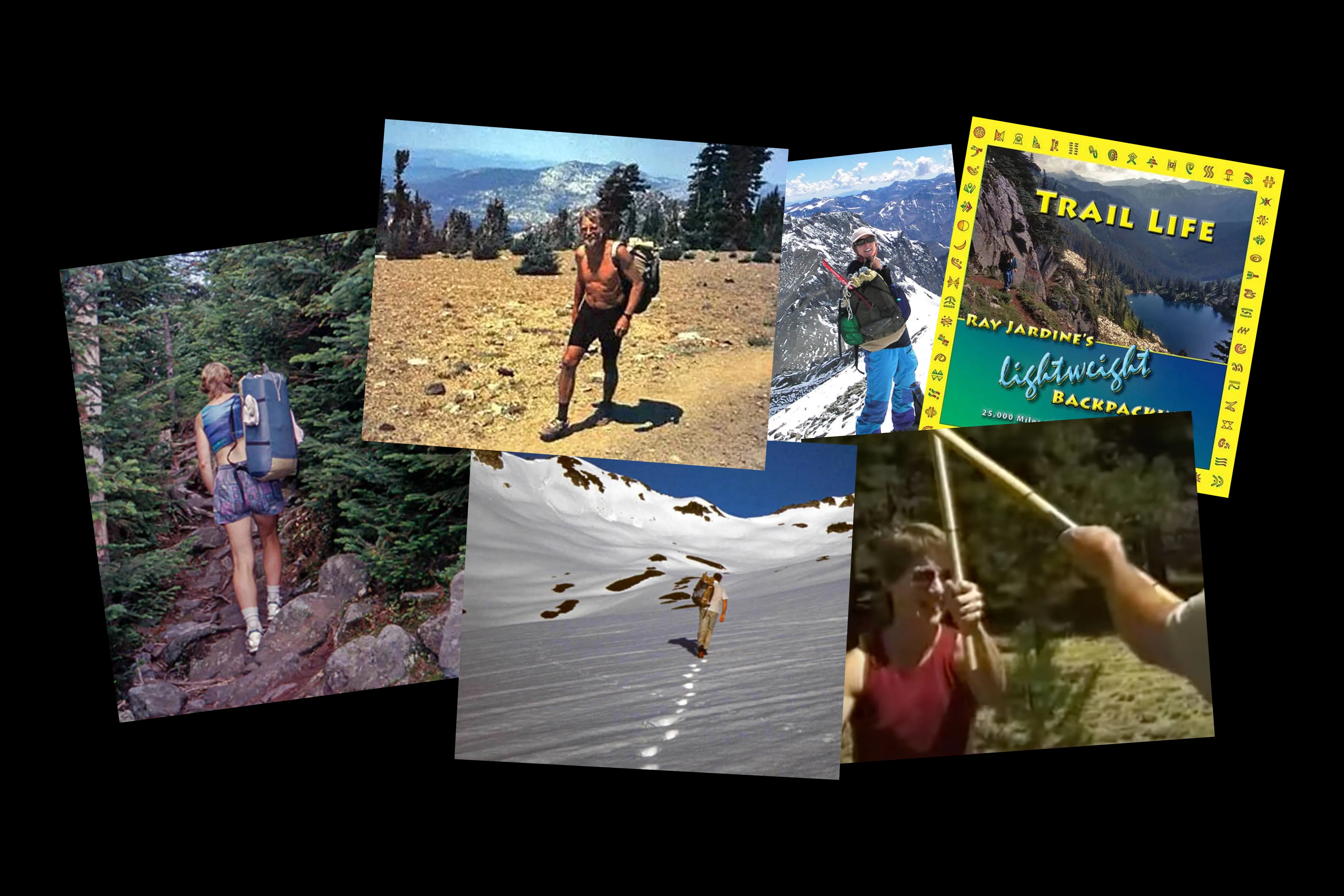
I could go on about the Jardines. There is a page on Ray’s site with highlights including:
- Was the first person (with Jenny) to thru-hike more than three long-distance trails of more than 2,000 miles in length (1993)
- Founded the American Long-Distance Hiking Association-West (ALDHA-West) (1994)
- Coined the Term “Triple Crown” related to long distance hiking (1994)
- Originated the “Triple Crown” Award (1994)
- Presented the First Plaques to the Triple Crown Recipients (1994)
- Ray and Jenny received the world’s first Triple Crown Award
To recap… He was the first to do a thing, then created a foundation for the thing, created an award for the thing, and presented the award to the first person to do the thing: himself. Truly a visionary.
What excited me when running across Ray were the backpack kits. You can order the material, patterns, and instructions from Ray to create a Ray Way ™ Pack. I was convinced to give it a shot after reading an endearing essay, “Why Sew?”
Ray Jardine observed: “People will spend hours studying commercial gear in magazines and online. What do they get? Heads full of hype, closets full of superfluous gear, and depleted savings. But if they spent a fraction of that time making their own gear, they would spare themselves the hype and monetary loss, and would produce gear that is serviceable, satisfying and rewarding.”
This reminded me of Enzo Mari’s Autoprogettazione, a project created to encourage understanding of what makes furniture good furniture. You’d mail order a booklet, find a piece of furniture, and build it using cheap and common lengths of wood, a hammer, and nails. There are no instructions; only self-describing illustrations.
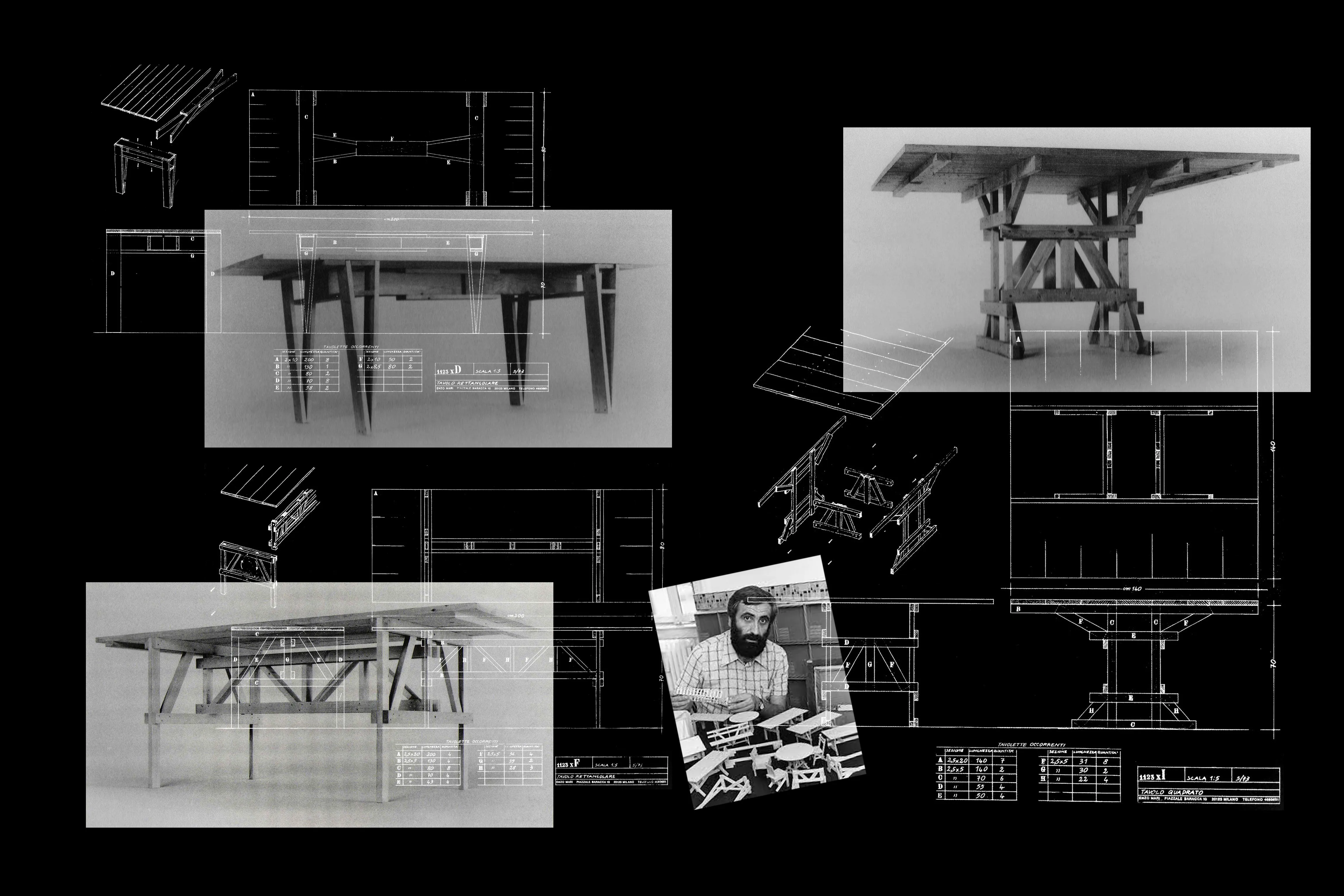
The pieces are not only functional, but beautiful in their focused simplicity and modest material use. For several years I furnished each of my apartments with pieces built from Autoprogettazione. Each time I moved, to avoid the hassle of moving furniture, I’d list everything for free on Craigslist. “Free Midcentury Italian Table.” It’d be gone in seconds. And I’d start from scratch and iterate at the next spot.
After a few years I became pretty good at making simple furniture. Building pieces from memory, and adapting them to my personal domestic requirements.
And so I ordered for the Ray Way kit. It arrived within a few days, and I got to sewing. As promised, it was easier than anticipated. I learned what makes a good pack good, felt liberated to modify it, and capable of fixing it in the future. There was no pressure to baby it on trail, having flaws right out of the gate.
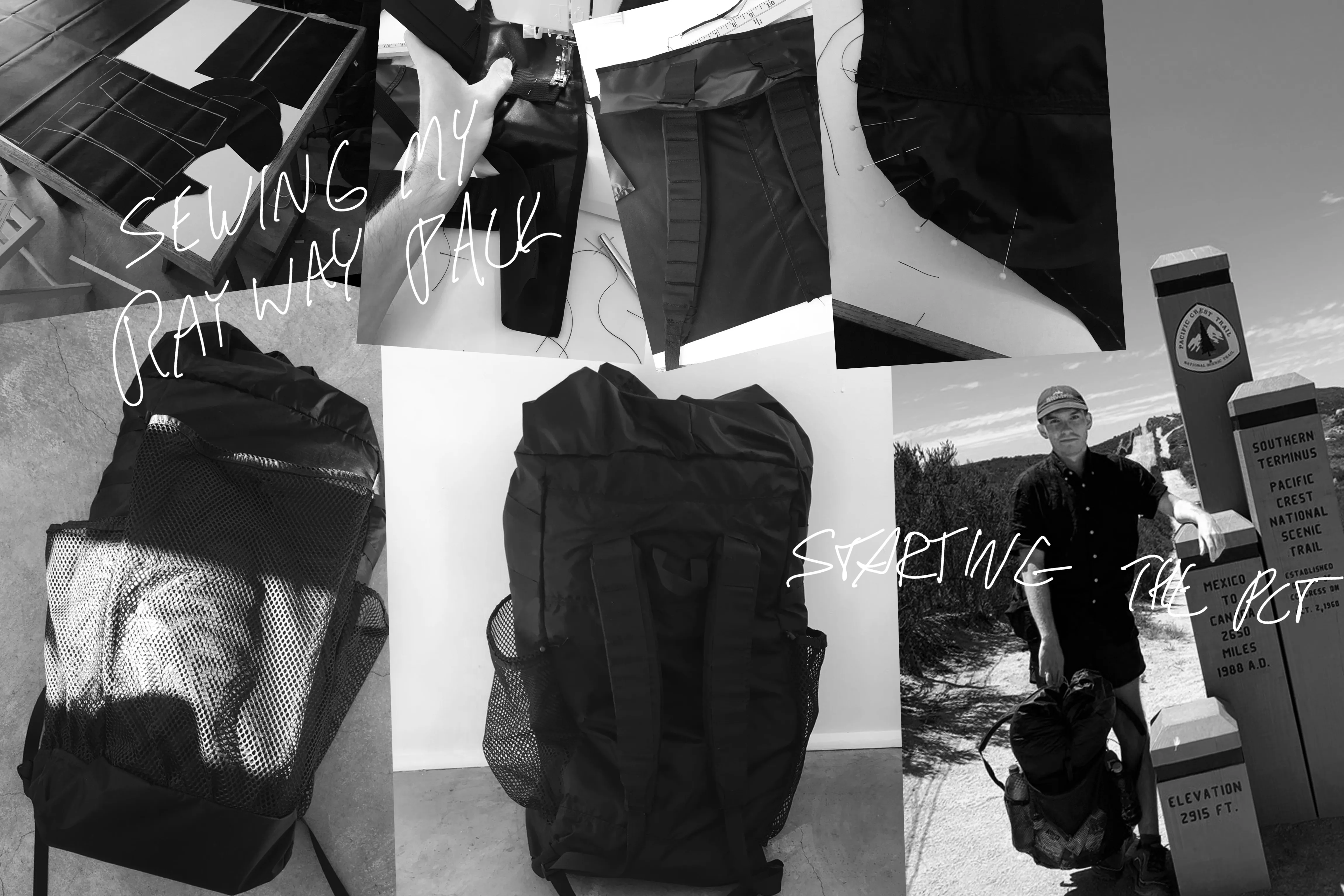
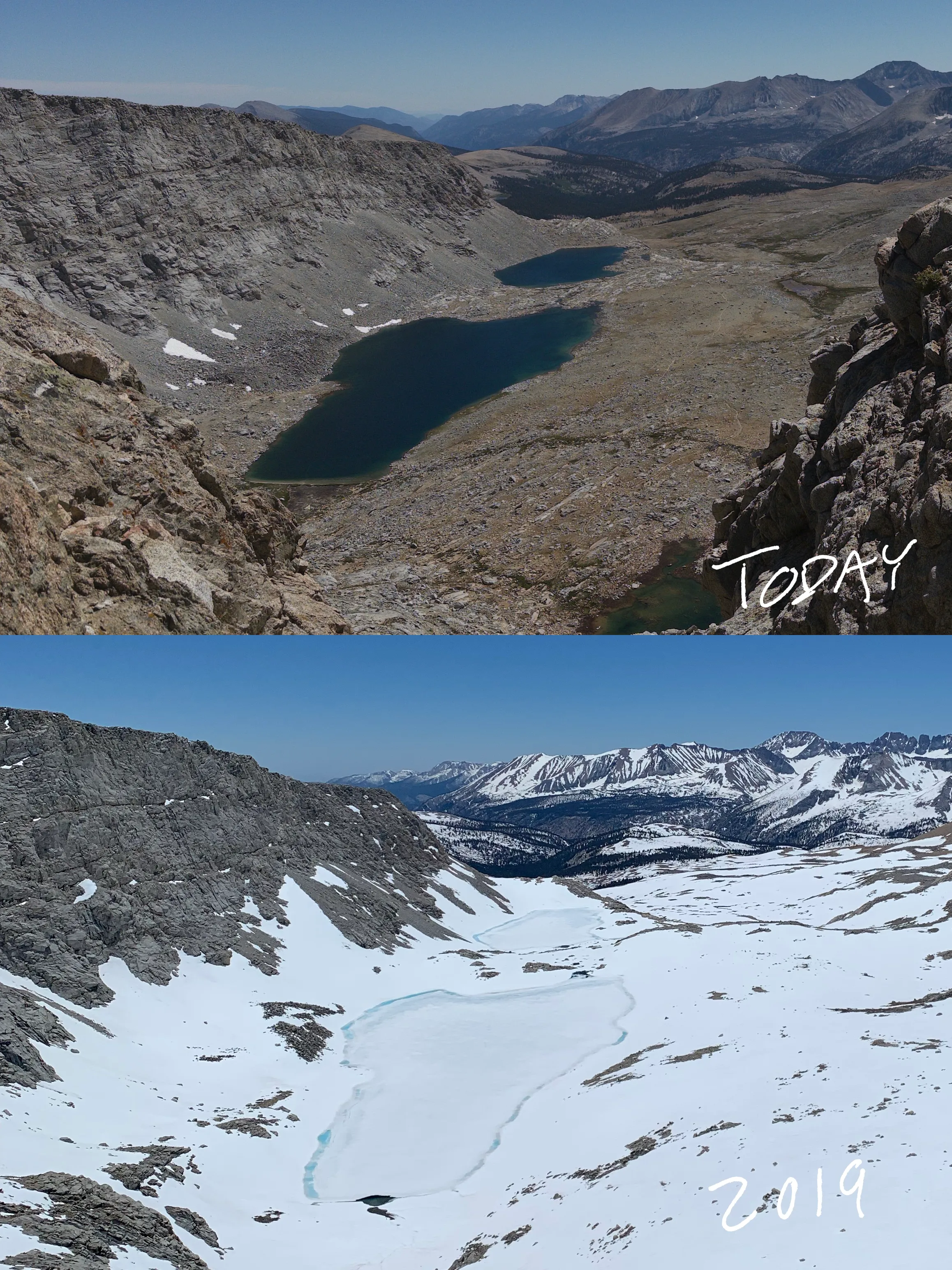
I carried it with me the first 700 miles of the trail, until entering the alpine Sierra Nevada. This stretch requires a bear can, ice axe, and some extra clothing. I also brought along a stove for morning motivation to warm up get moving, something I didn’t fuss with the rest of the trip.
It was easier to make a decision on what pack to grab for this heavier carry—now I knew what I was looking at.
Hands on experience is priceless. Critical understanding through practice. The knowledge is carried with you, and applied when making future decisions. Recognizing when and why something is good.
It’s not possible to build every tool in your box, but there are similarities between tools that make an experience relevant beyond an immediate application. Packs, bags, shelters—even clothing. Using silnylon once makes you more confident to repair other gear. But having a set of instructions, and working on something you crafted helps relieve the pressure of farming your first more demanding repair job.
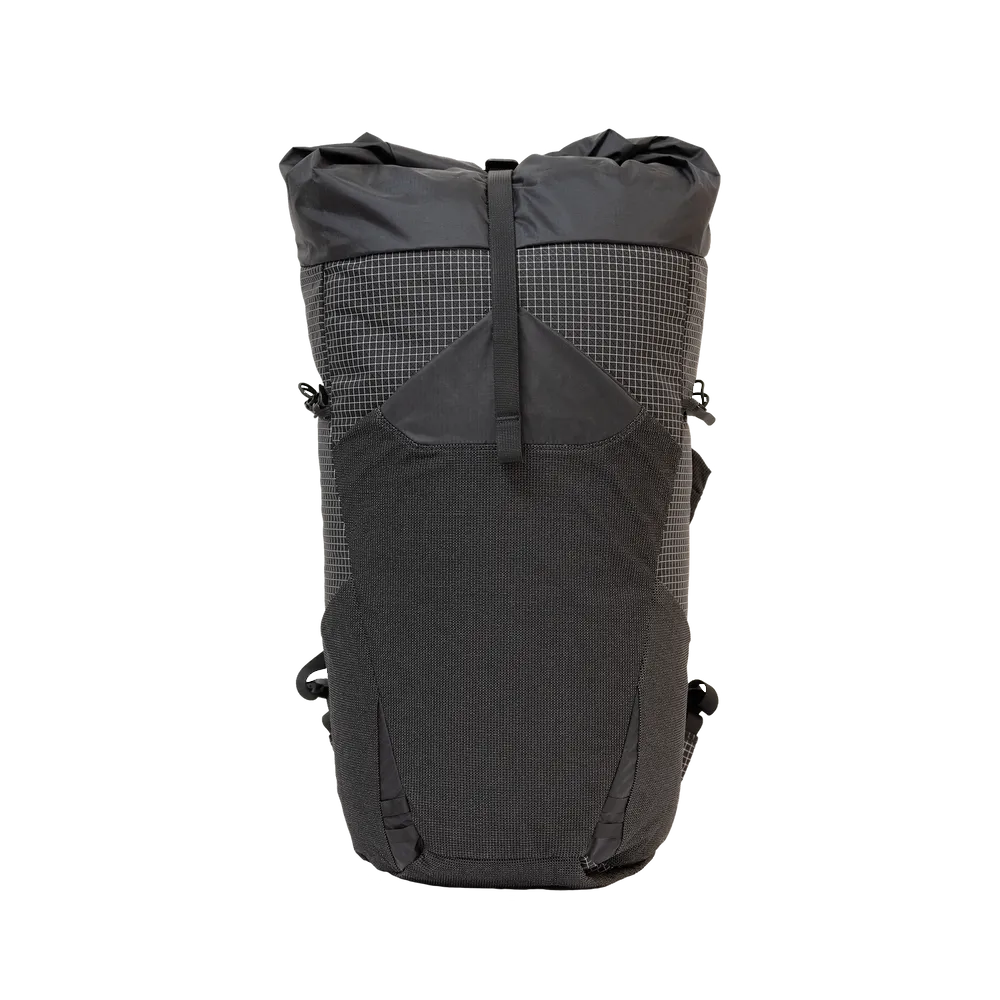
One of my favorite packs is the Pa’lante Joey. It uses nylon ripstop to create a single volume and has vest-style straps. While I could’ve made something similar myself, I recognize the craft that went into the Joey, and what Pa’lante is trying to do.
There’s a satisfaction in supporting people going out on a limb and doing good work. In purchasing a pack from a cottage company like Pa’lante. Helping to sustain a small business making good gear accessible more to people. They’re generally more nimble than larger manufactures, and experimenting on the edge.
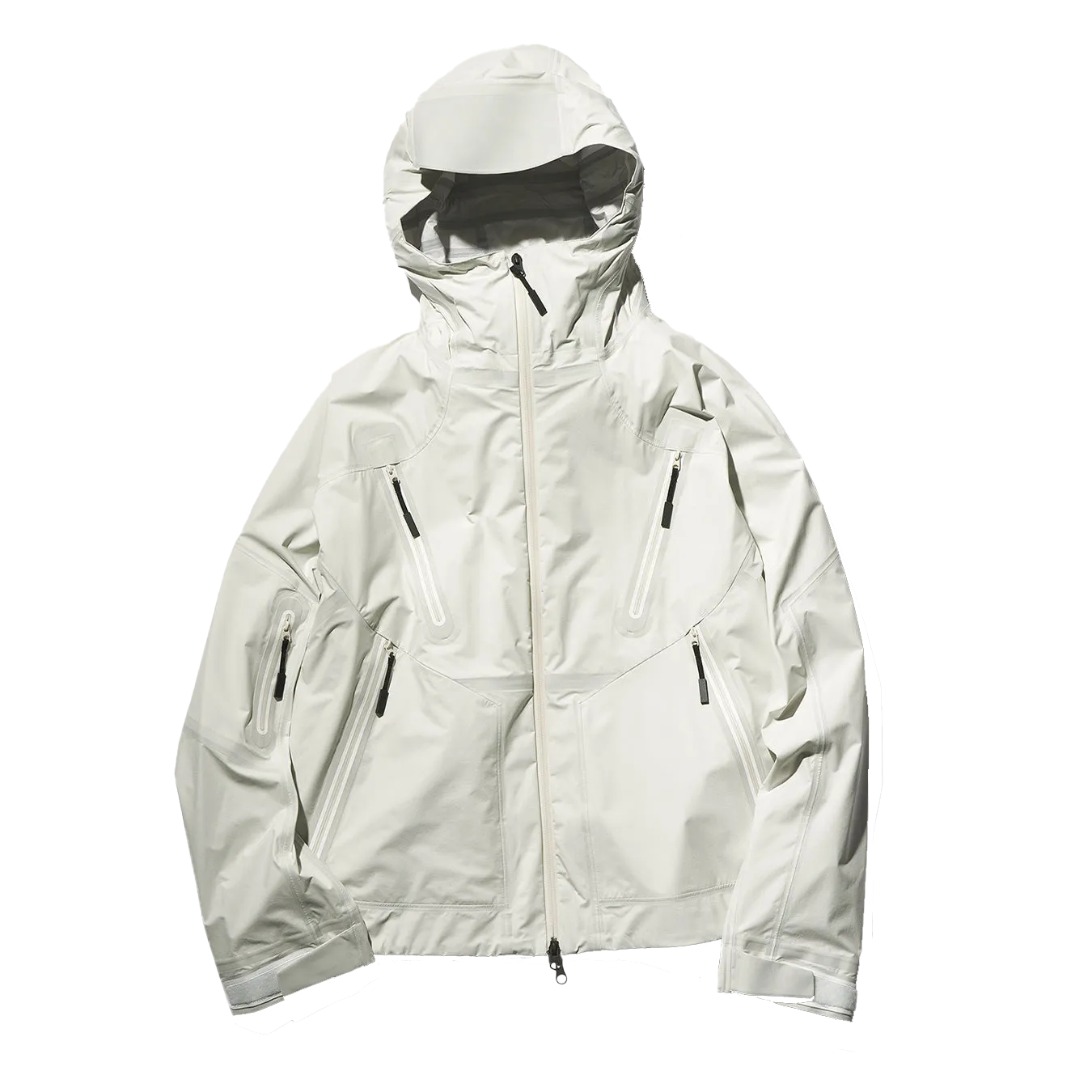
Or grabbing a bit of kit from a larger manufacturer who funds experimental projects, like Goldwin and their Goldwin 0 series of campaigns by OK-RM.
According to Goldwin 0: “A garment is made from materials and energy. An intergenerational garment is made from all the materials and energy it has saved; by rendering their production unnecessary. Functionality and performance are not incompatible with ethics and responsibility.”
The clothes come at a premium, but ultimately a purchase goes to funding experimentation and new material use. The hope is, as process is refined, these techniques make their way into more common offerings.
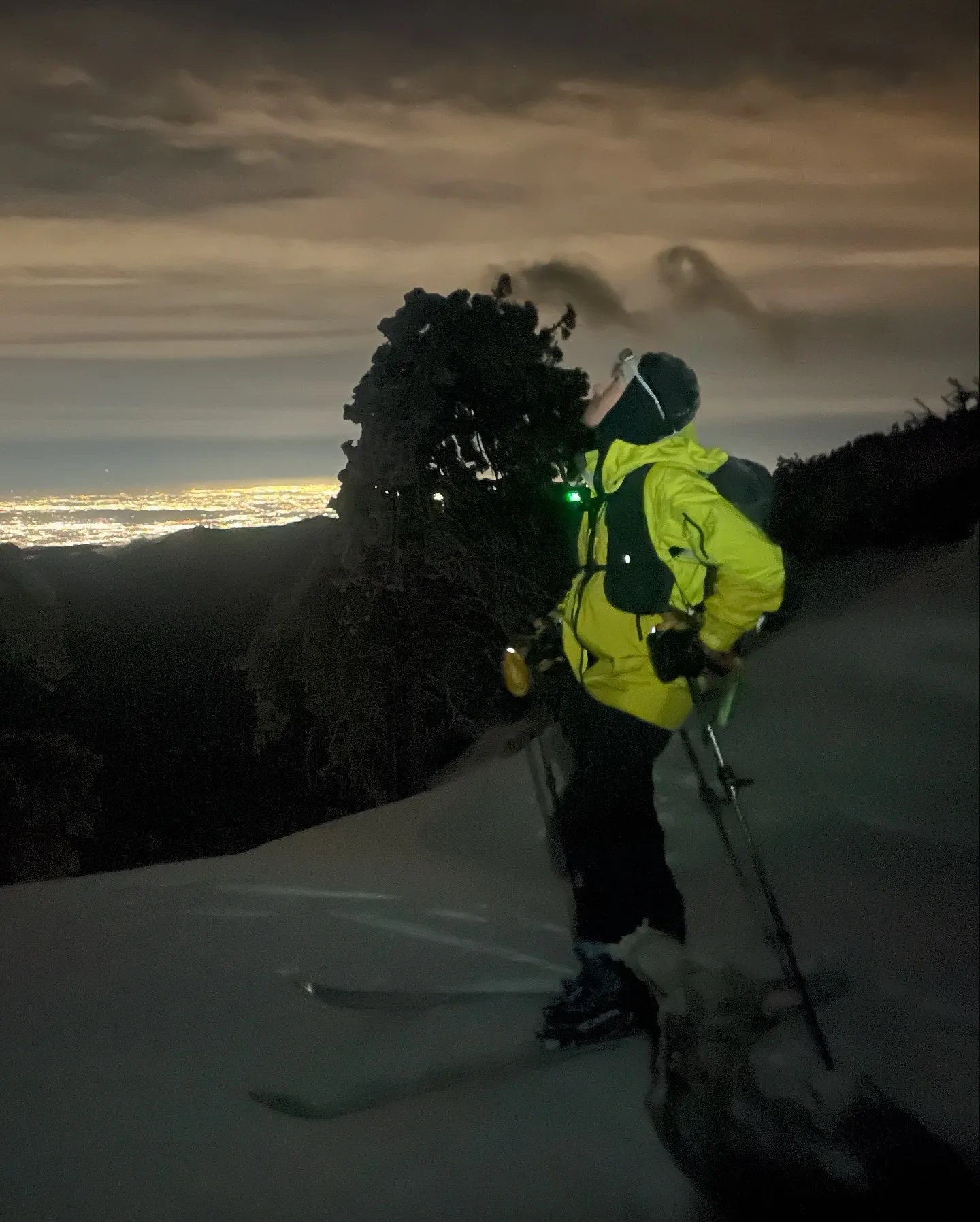
My Goldwin jacket got a cut from the edge of a ski when shouldering them to the car. My familiarity with repairing technical fabric from fixing my Ray Way pack freed me up to make a simple patch repair with confidence.
Goldwin isn’t required to do the research, or fund interesting projects like the OK-RM campaign. The gesture goes a long way towards motivating me to support the effort by making a purchase.
So in thinking about gear, all of this leads to a loose manifesto:
- Keep it basic
- Keep it light
- No more than necessary
- Get your hands dirty
- Make your own shit
- Support shit you like
- Don’t suffer unnecessarily
- Keep it fun