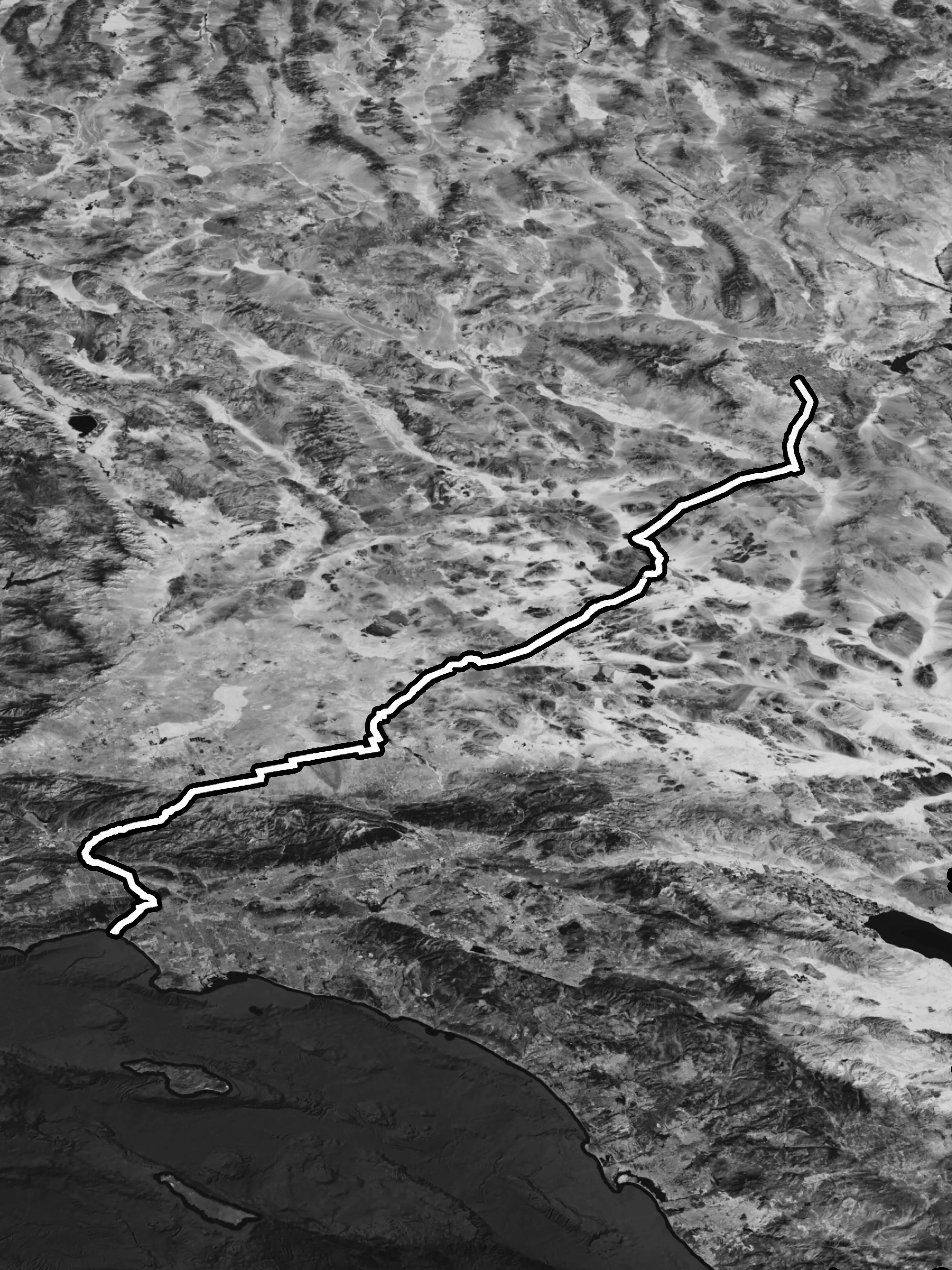
Plans can have an elastic quality. Sometimes they start big, contract, then expand to fill the space. Driving up the switchbacks to Onion Valley my plan is quite logistically complex. Arrive at 10 p.m. after the 5 hour drive from Los Angeles, drop my bicycle at the top, then drive down the grade and north a ways up to Baxter Pass, one of the notorious big passes. It sounds like a memorable time: climb up 7,600 feet and into the Sixty Lakes Basin for an overnighter. The next morning, up and out Kearsarge Pass, hop the bike, descend the grade, then ride back up to the car.
The plan is big, but sound. However, the week was overflowing with work. Pulling up to the Onion Valley trailhead, I’m fried. Split-second decision. Scrap the plan, get some sleep, then have a light, relaxed day with the e-book reader by the lake. Move around a bit. A recovery trip. I settle into the back of the car on my mattress, tucked into the quilt, and doze off.
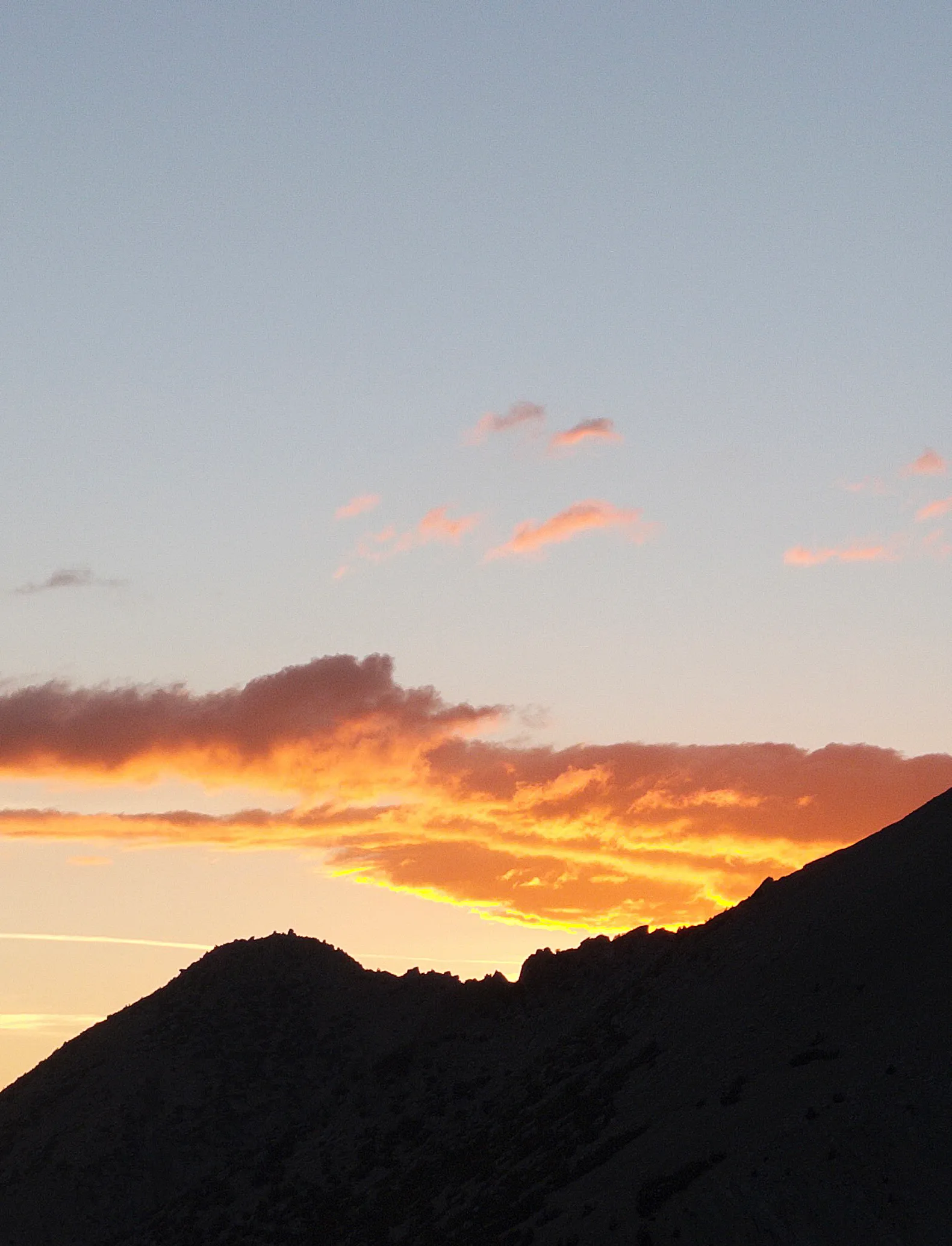
A sliver of glowing orange above the Inyo Mountains on the other side of the Owens Valley wakes me up. I’ve had early mornings the past few weeks. The sound of the nearby stream and warmth of the quilt in the chill alpine air… I’m sleeping in.
I finally get around at 7:30 and hear someone say my name. It’s Gill! We’re both surprised to see each other. “What are you doing out here?” I ask. “Starting a week on the Sierra High Route with a friend.” Amazing. I feel a little guilt for sleeping in, but this serendipity is too good.
We decide to start out together. I’m still uncertain where the day will take me. We talked about my time having a house for a few years in the Sierra. “Part of having time away from the mountains is you make room to dream about them.” That’s been me the past several weeks, and now that I’m out here, what a contrast.
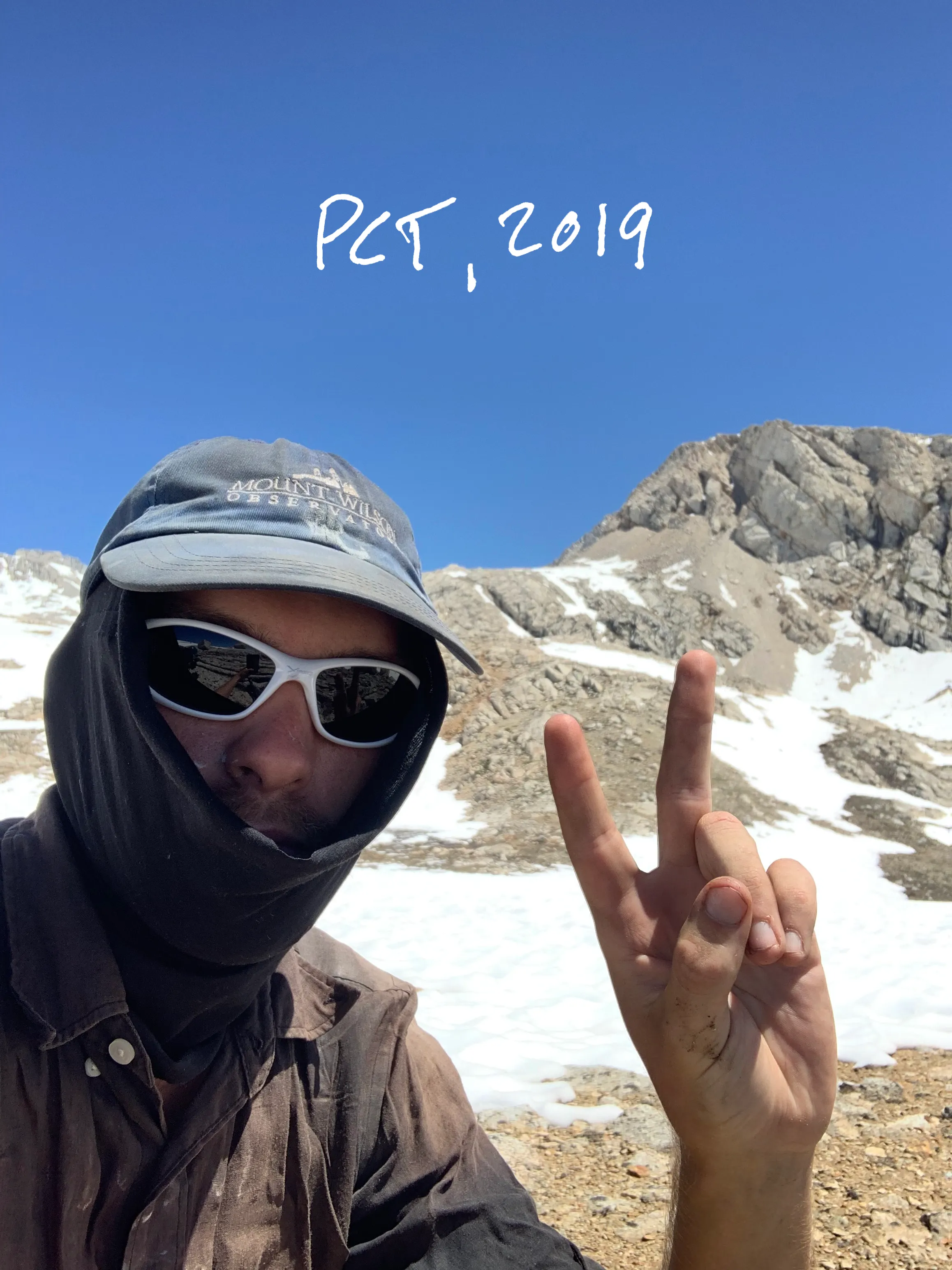
I’ve only been to Onion Valley once, to ski around Gould two winters ago. Very memorable. When doing the PCT in 2019, I skipped exiting here in favor of pushing to Red’s Meadow. This was my first summer Kearsarge.
Gill and I chat as we reach the top of Kearsarge Pass. “You know, you could hit Forester Pass if you wanted,” he suggests. Forester is the high point of the PCT at 13,200 feet, and I haven’t been up there since doing it as part of the PCT. It sounds perfect.
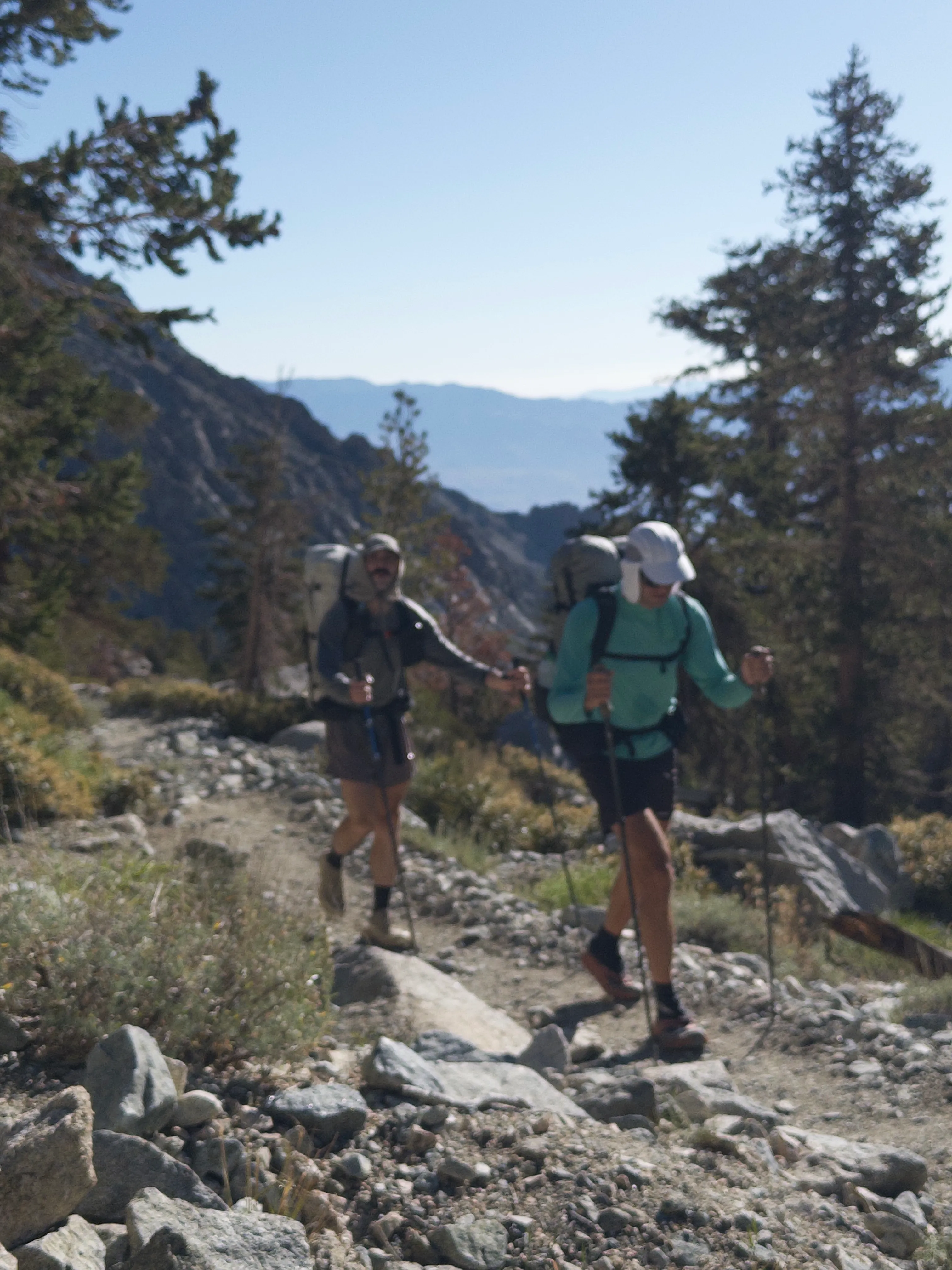
We cruise past Bullfrog Lakes and soon hit the JMT/PCT junction. We part ways as Gill and his friend head towards Land’s End to start the High Route, and I head south towards Forester.
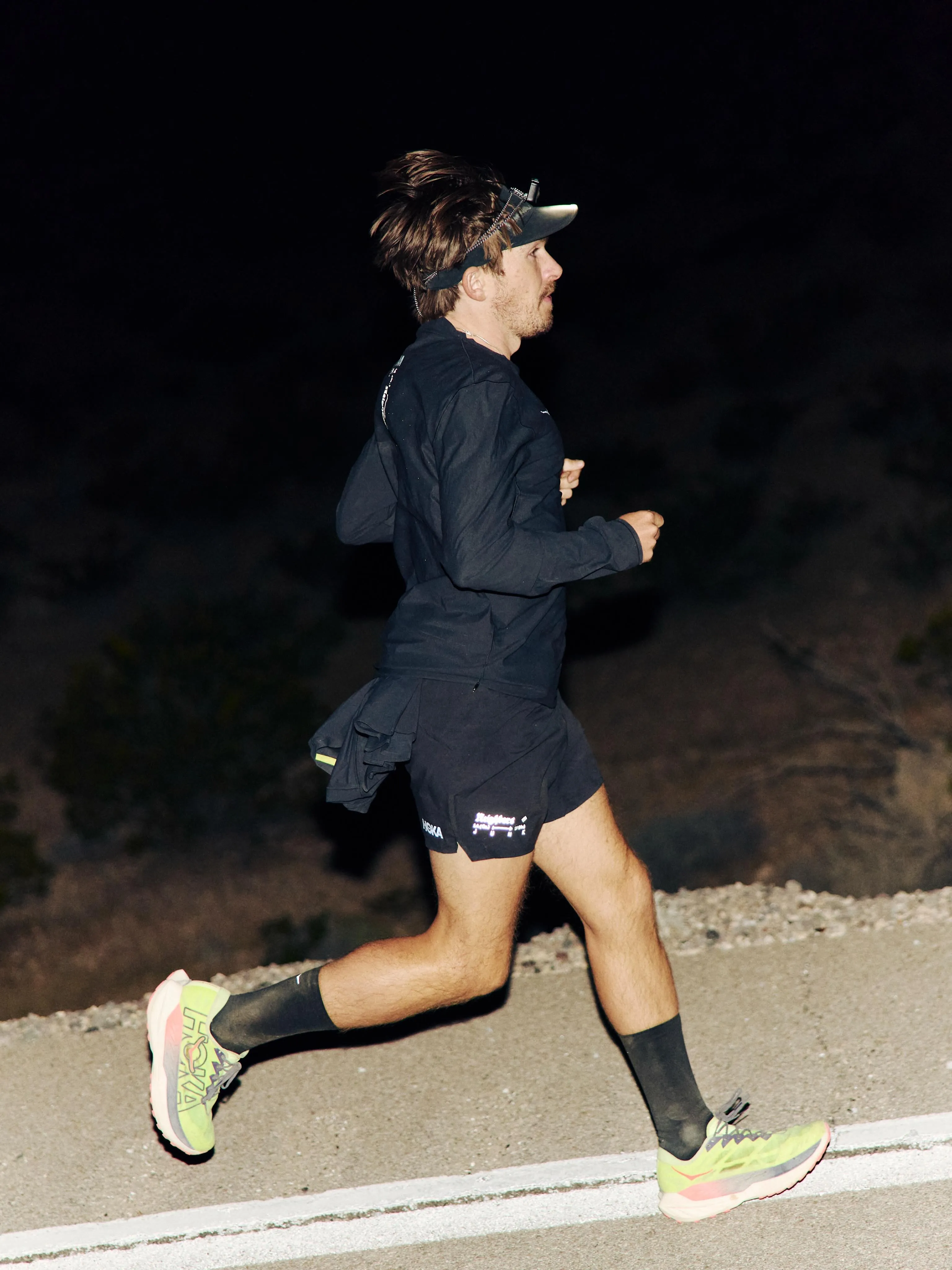
I begin to run a bit, with my fastpack setup on the shoulder. I slow on a climb and hear footsteps behind me. He’s running fast, and as he approaches I recognize the face. “Bentley?” We’ve run East Side Trail Runners’ Wednesday group run several times together. What an insanely small world. We chat and, over the next several miles, hikers ask if I saw that runner. “Oh yeah, Bentley.”
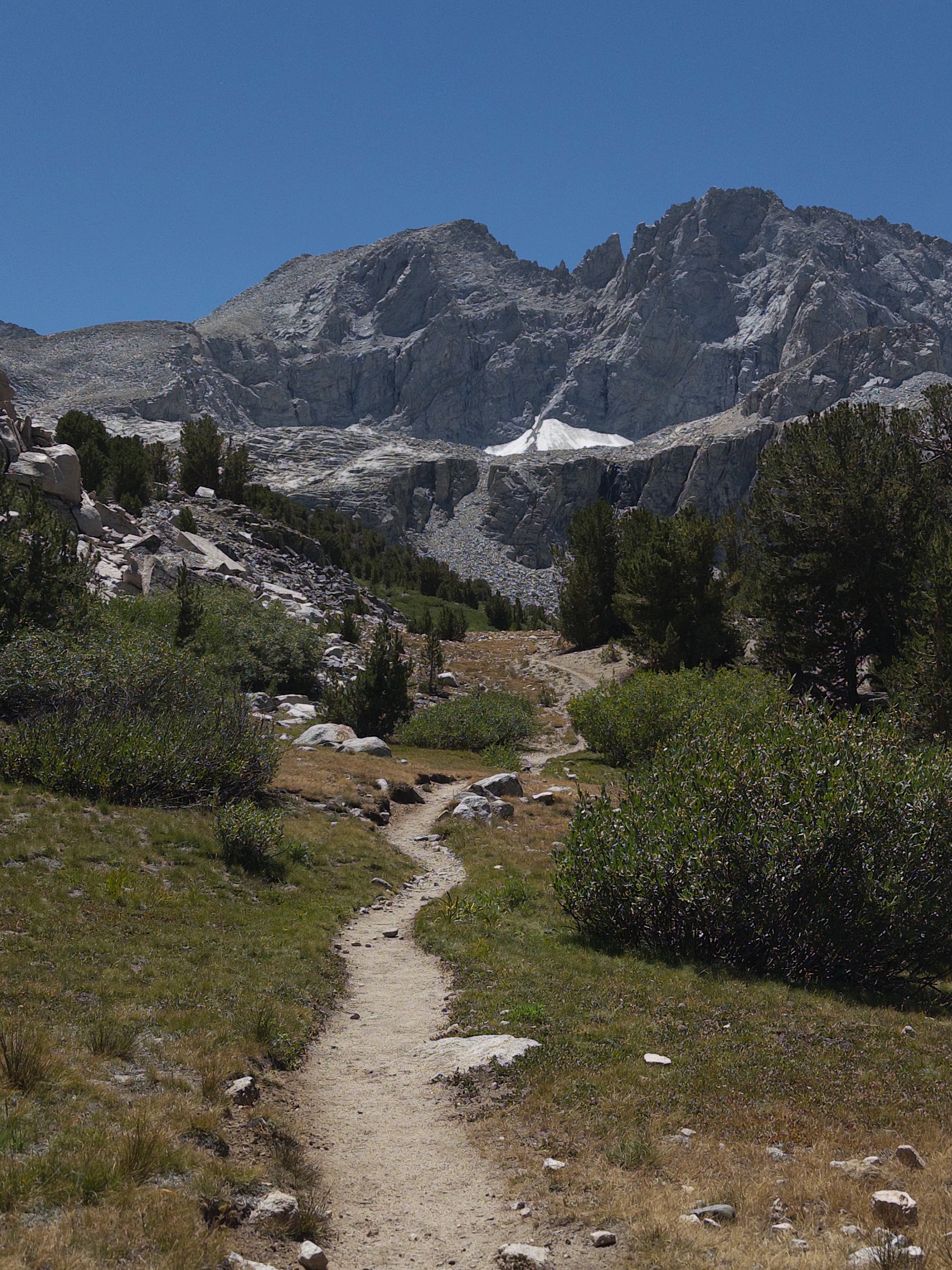
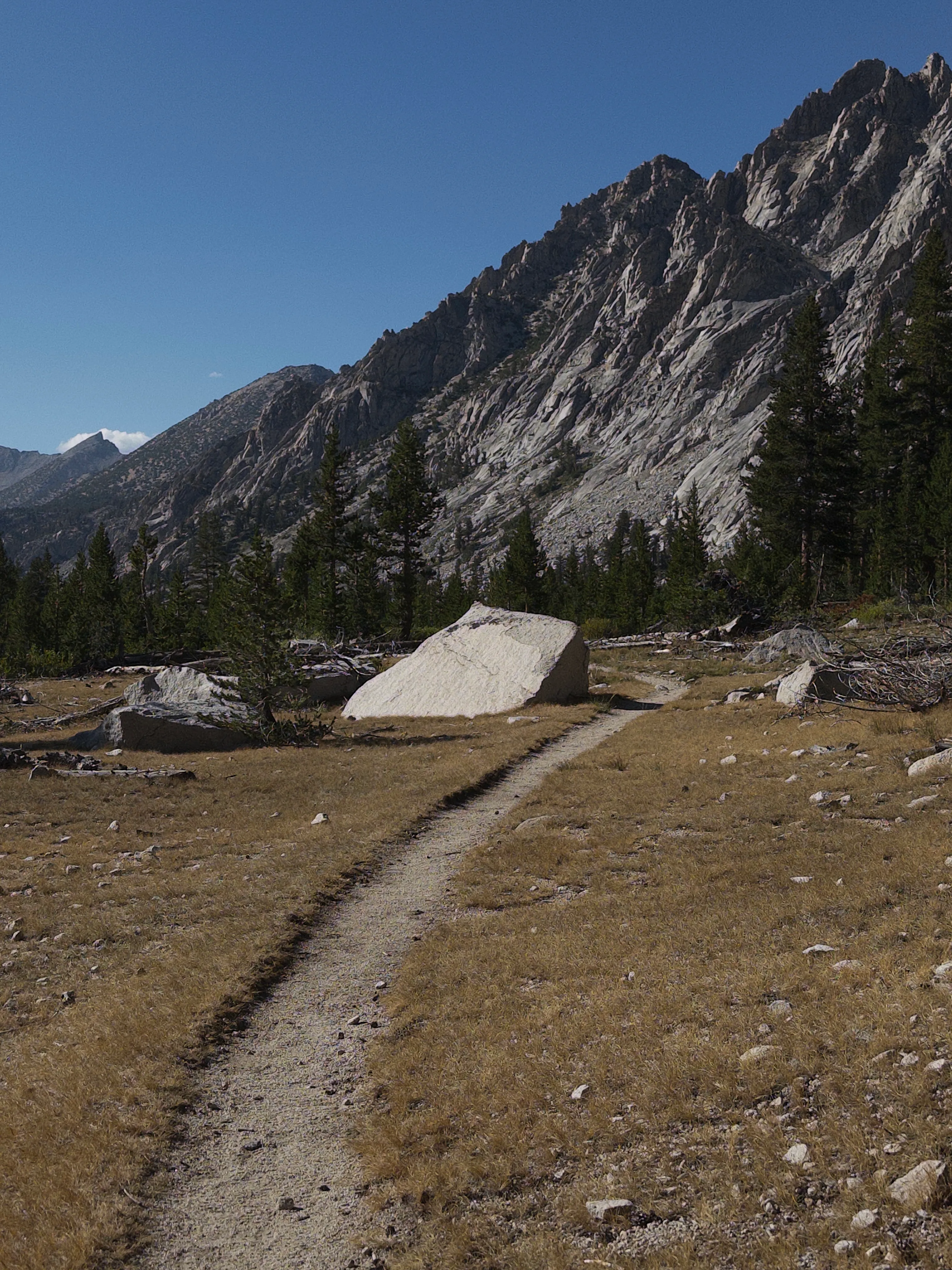
The weather is perfect: cool temperatures after a few days of monsoonal rain, perfect blue sky. The grade picks up towards Forester. Elevation beginsto become noticeable.
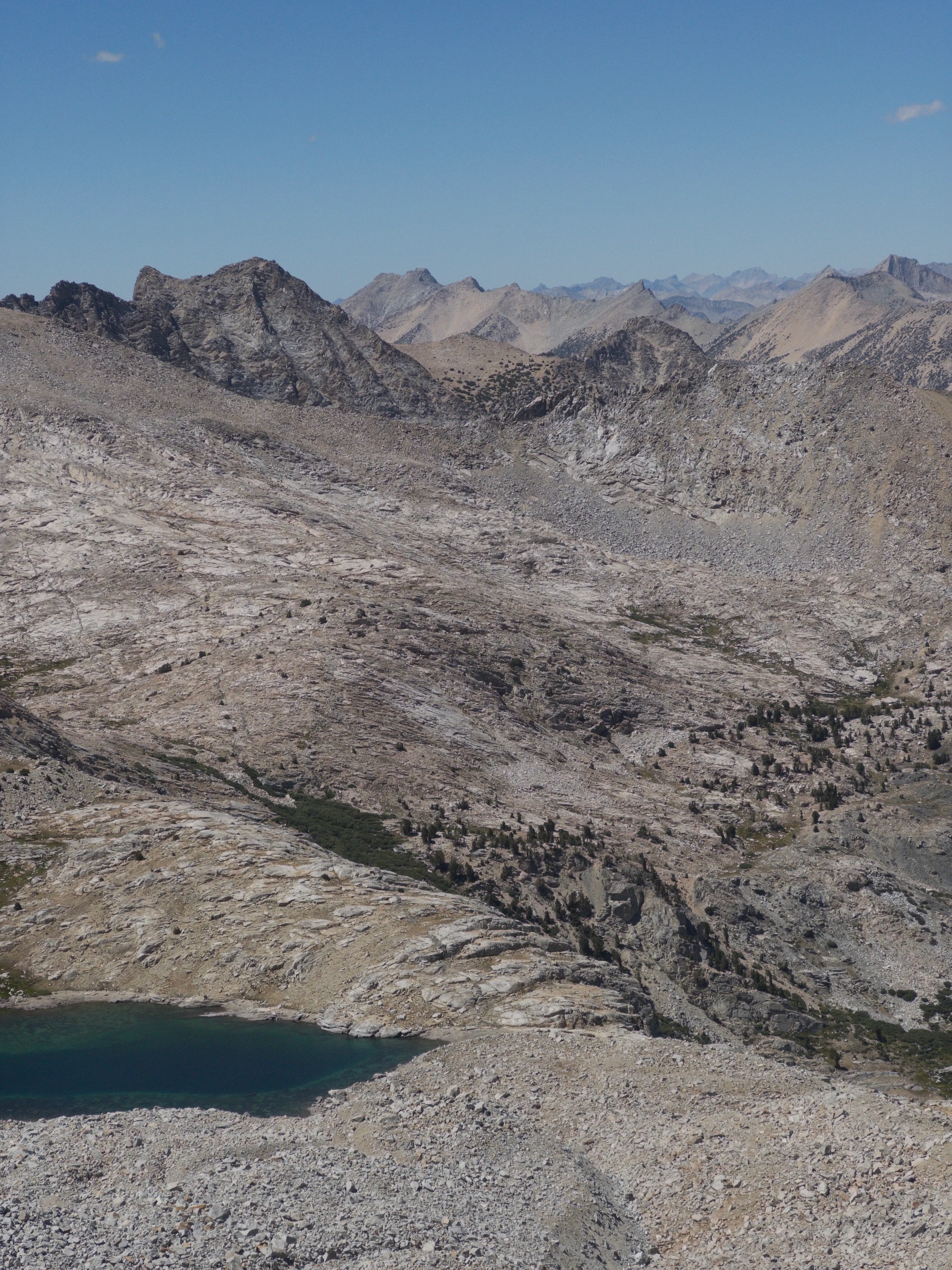
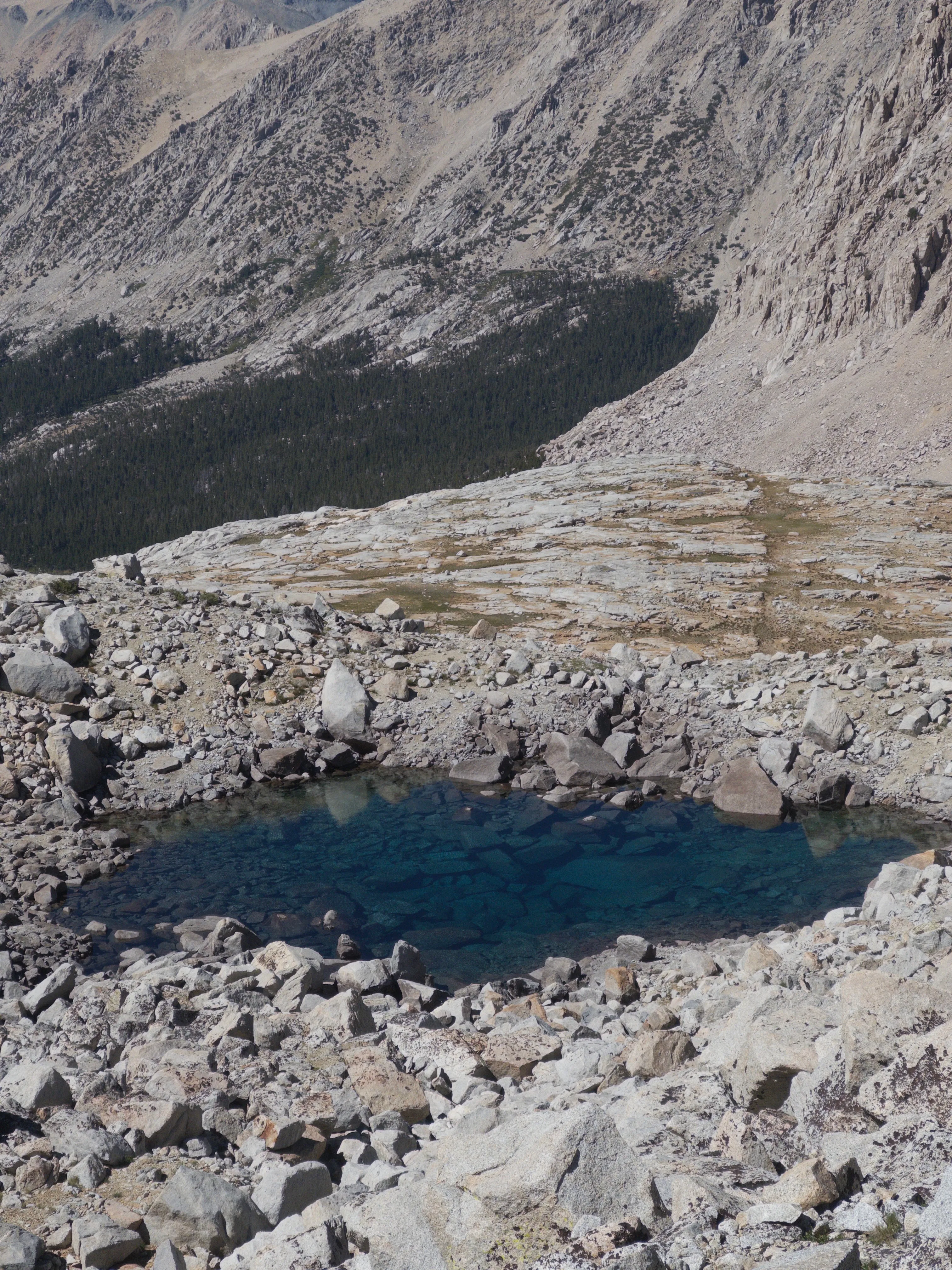
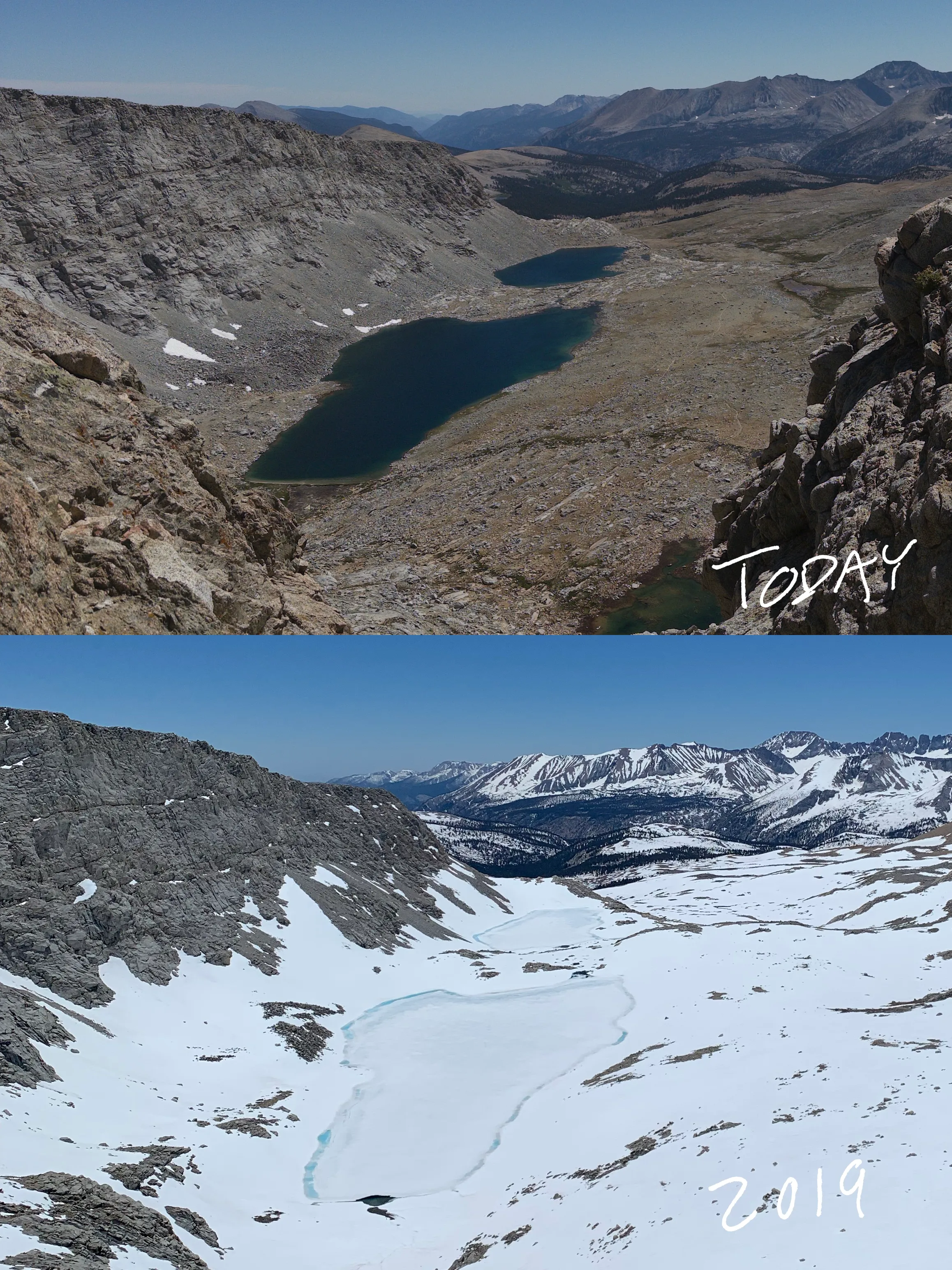
Climbing through treeline, it starts really opening up. Huge views down Bubbs Creek towards Vidette Meadow. In 2019 all of this was covered in snow; the trail now made visible. The cool wind picks up nearing the narrow gap at the top of the pass. A lone sloping rock becomes the perfect backrest beside the SEKI sign.
This was quite memorable on the PCT. The night before, I fell asleep soaked to the core after crossing Tyndall Creek, feeling and running ultra-high with the start of the Big Melt—the point of fear when temperatures stop consistently freezing overnight.
That morning I began moving over the snow towards the pass, a staircase of steps had been kicked in, leading straight up at the base. I caught up to two others, one wearing what looked like a wildland-service firefighter outfit from the ’60s, the other a sleeveless hoodie covered in a print of a tiger’s face.
We introduced ourselves and got talking. Turns out Jeff, in the tiger hoodie, goes by Legend. He had just finished the fastest time doing the Triple Crown—the PCT, CDT, and AT—in one calendar year: 7,900 miles. John, who goes by Airborne, had just set the FKT for the PCT yo-yo, Mexico to Canada to Mexico, and here I was doing my first winter ascent of a pass.
I hadn’t ever seen anyone move in the alpine like this before. The style it was massively motivating. We sure-footed down Bubbs Creek through the valley. The snow coverage was immense. Jon and Jeff decided to glissade, and I hopped on my ass and followed.
Running along here now, I think of the slippage in time. So much life has occurred between then and now. As I move the miles come easy until they don’t. Reaching the base of the climb back up to Bullfrog Lakes, the sun gets lower.
The junction to Glen Pass soon follows. On the PCT you tend to exit Kearsarge and resupplying in Bishop decide to push north to Mount Whitney, hitting all the major Sierra passes in one go. I ended up running out of food at the base of the pass. By the time I arrived at Mammoth, I was quite hungry, and a little crazed.
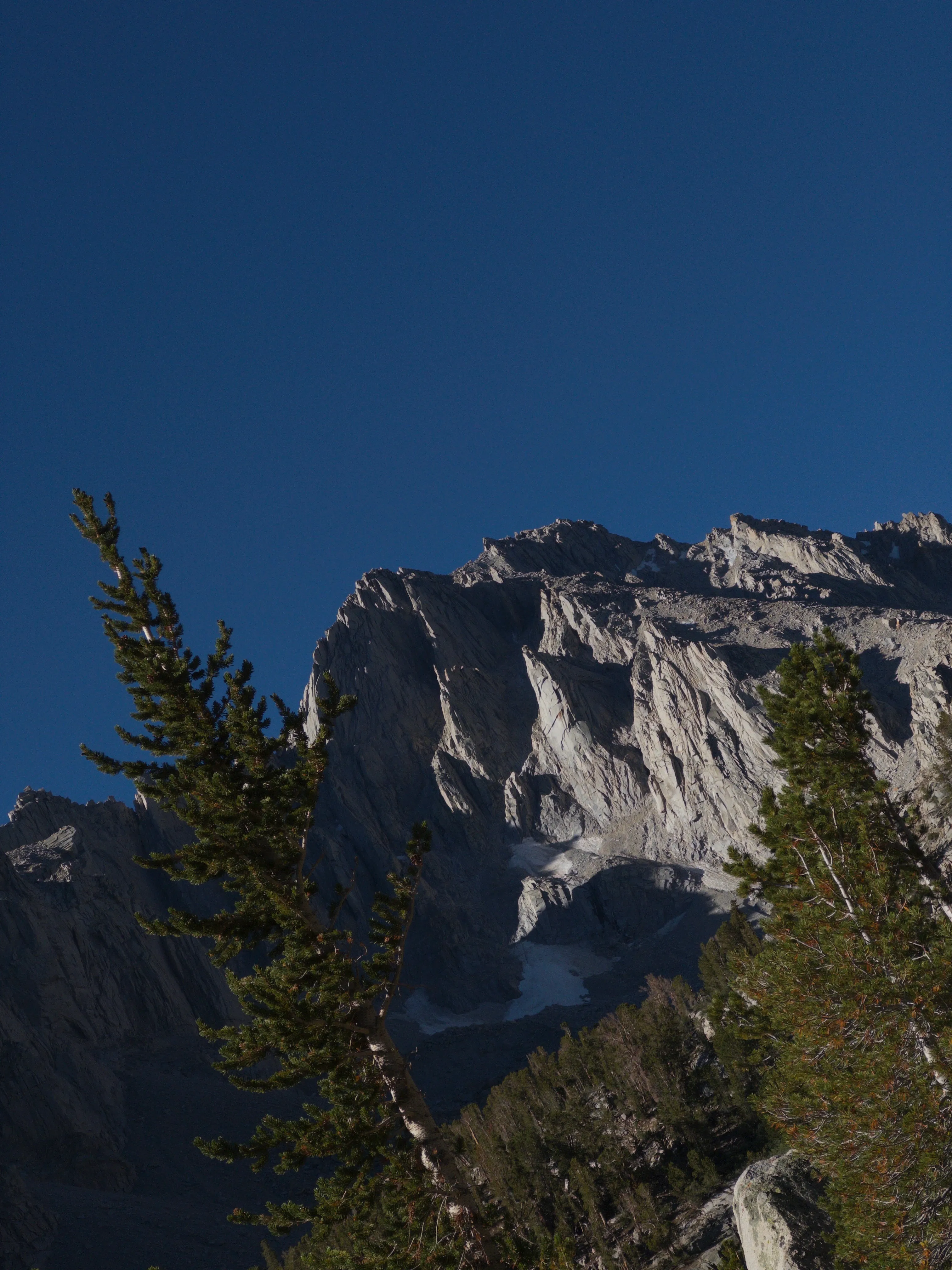
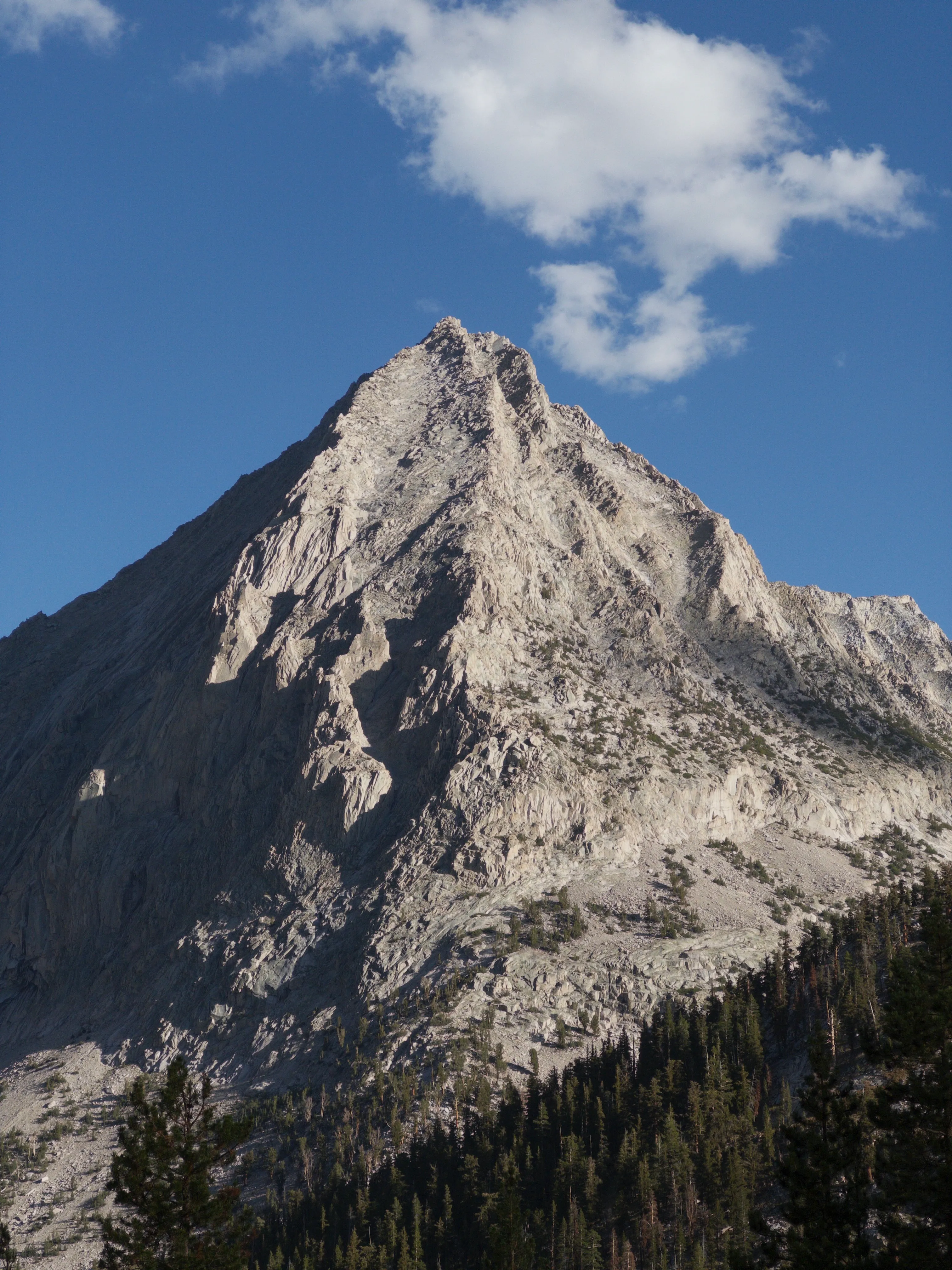
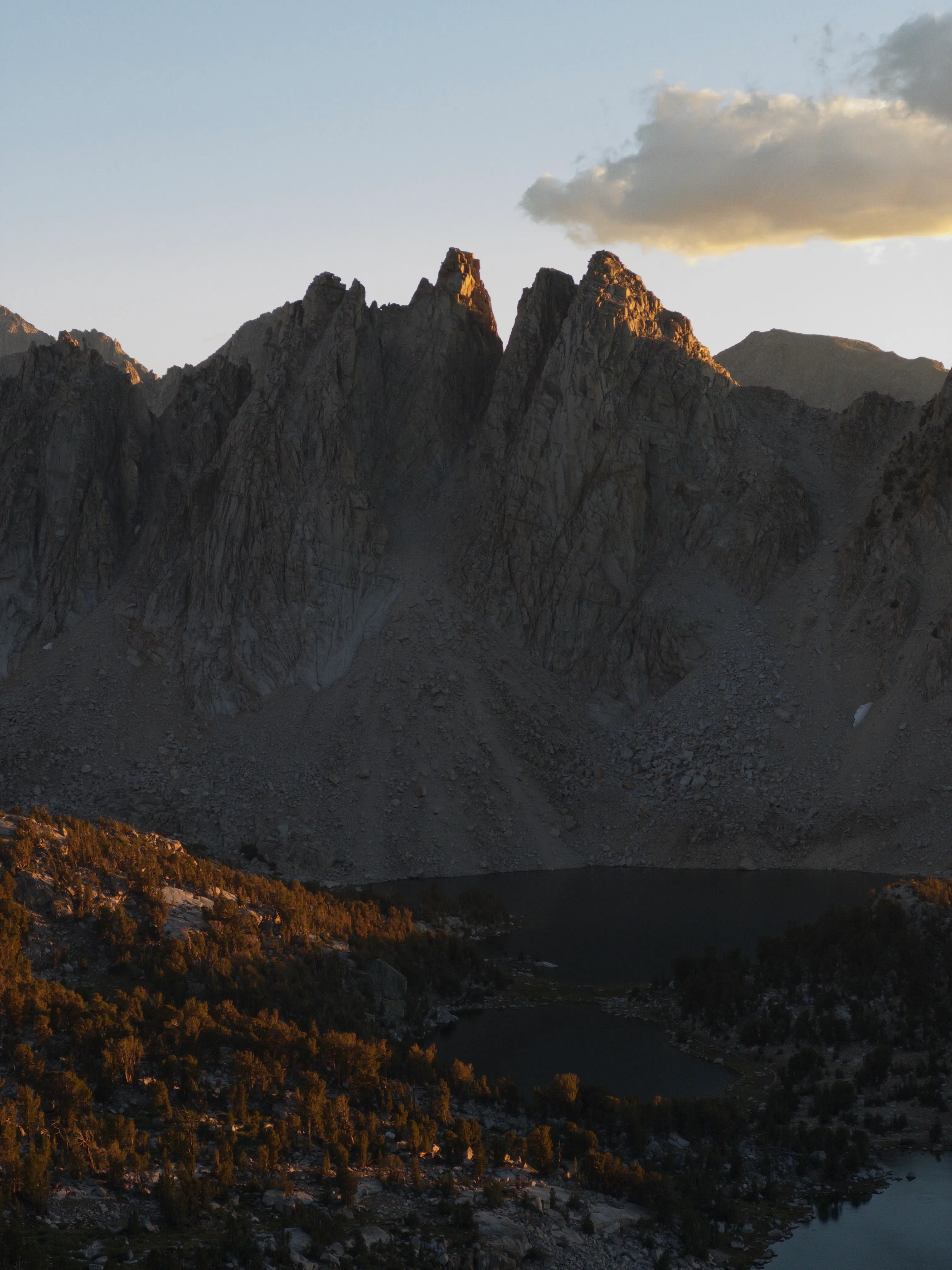
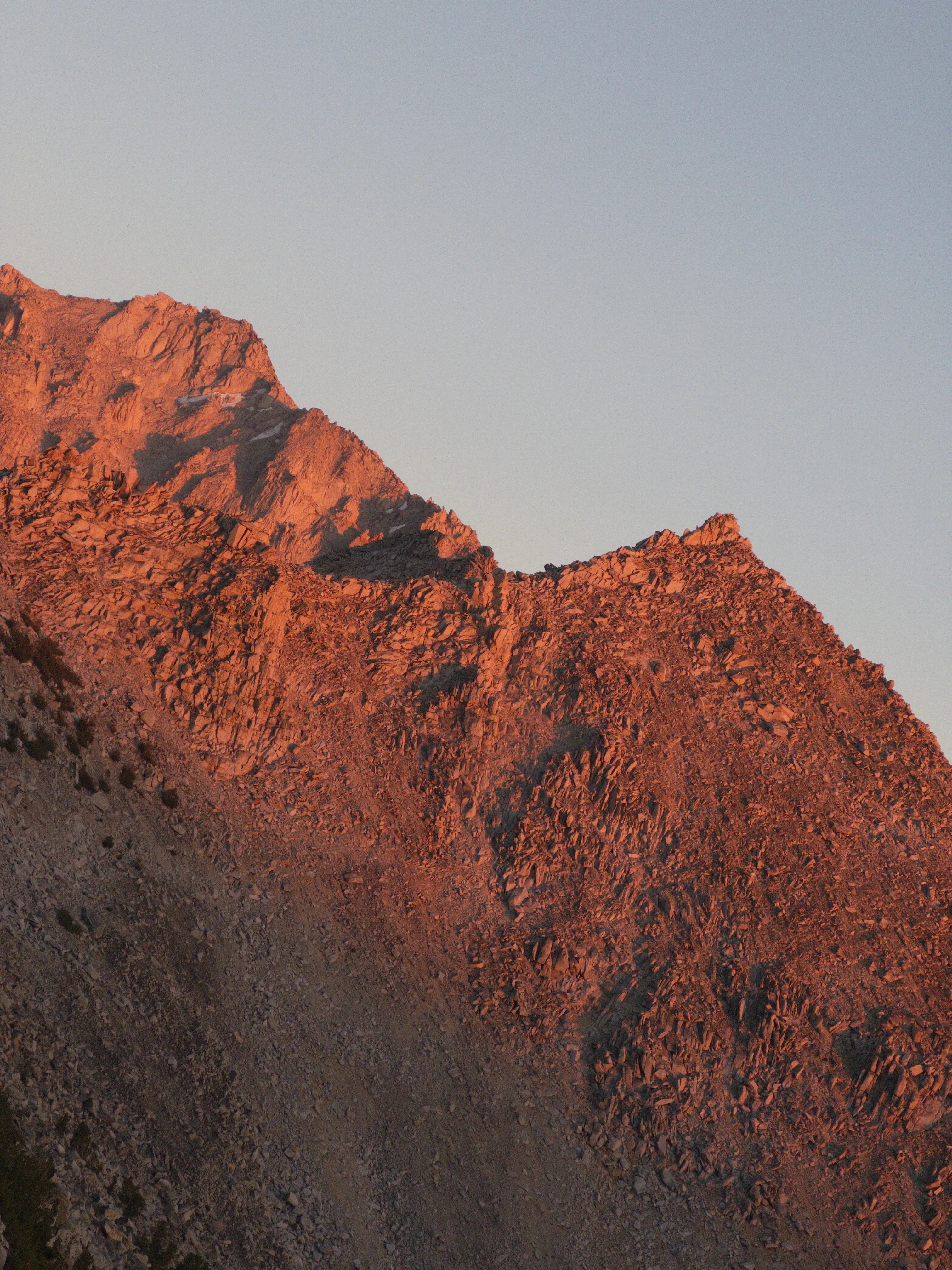
Now ascending the final climb up Kearsarge Pass, the pinnacles are glowing in the last light of the day. I’m feeling tired. About 12 hours and 35 miles of continuous motion, I realize how my heart rate seems stuck at 170 despite how I slow the steps. After a mile or two of this, I notice how shallow my breathing is. Big, intentional, deep breaths now. Almost instantly I feel better, like a fresh start to the day. It’s an incredible surge of energy as I crest the pass just as quickly as the sun dips.
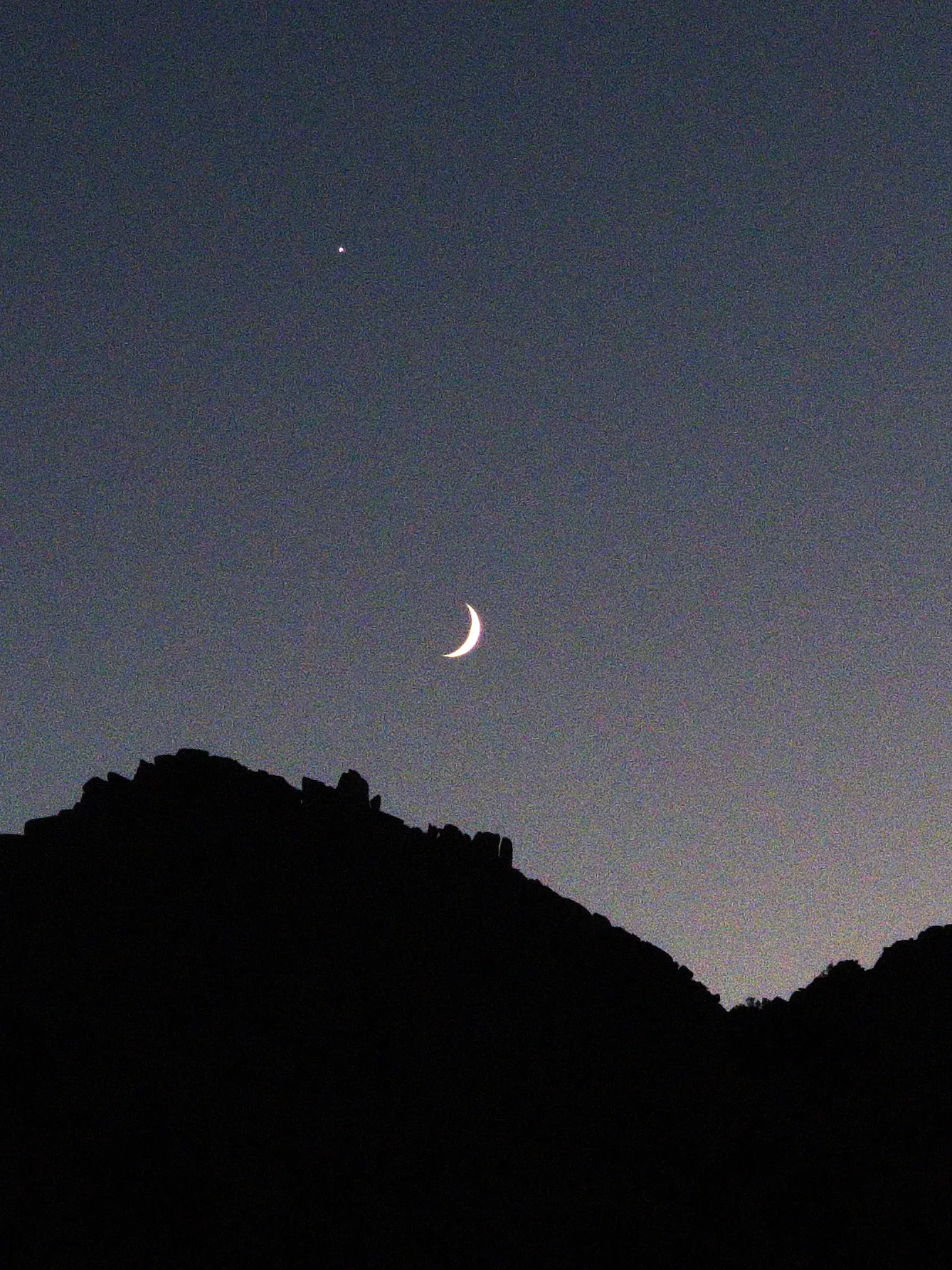
Yesterday a total solar eclipse blocked out the sun, now making it one day past the new moon. It’s dark—very dark. The Milky Way above is so clearly defined that dark bands clearly weave through it. The show overhead is so distracting I almost trip several times. Insane, in these moments—big miles, big skies, big mountains, big time. You really find awe of scale—physical, time, everything. Nothing beats this awareness. You really feel it more than think it.
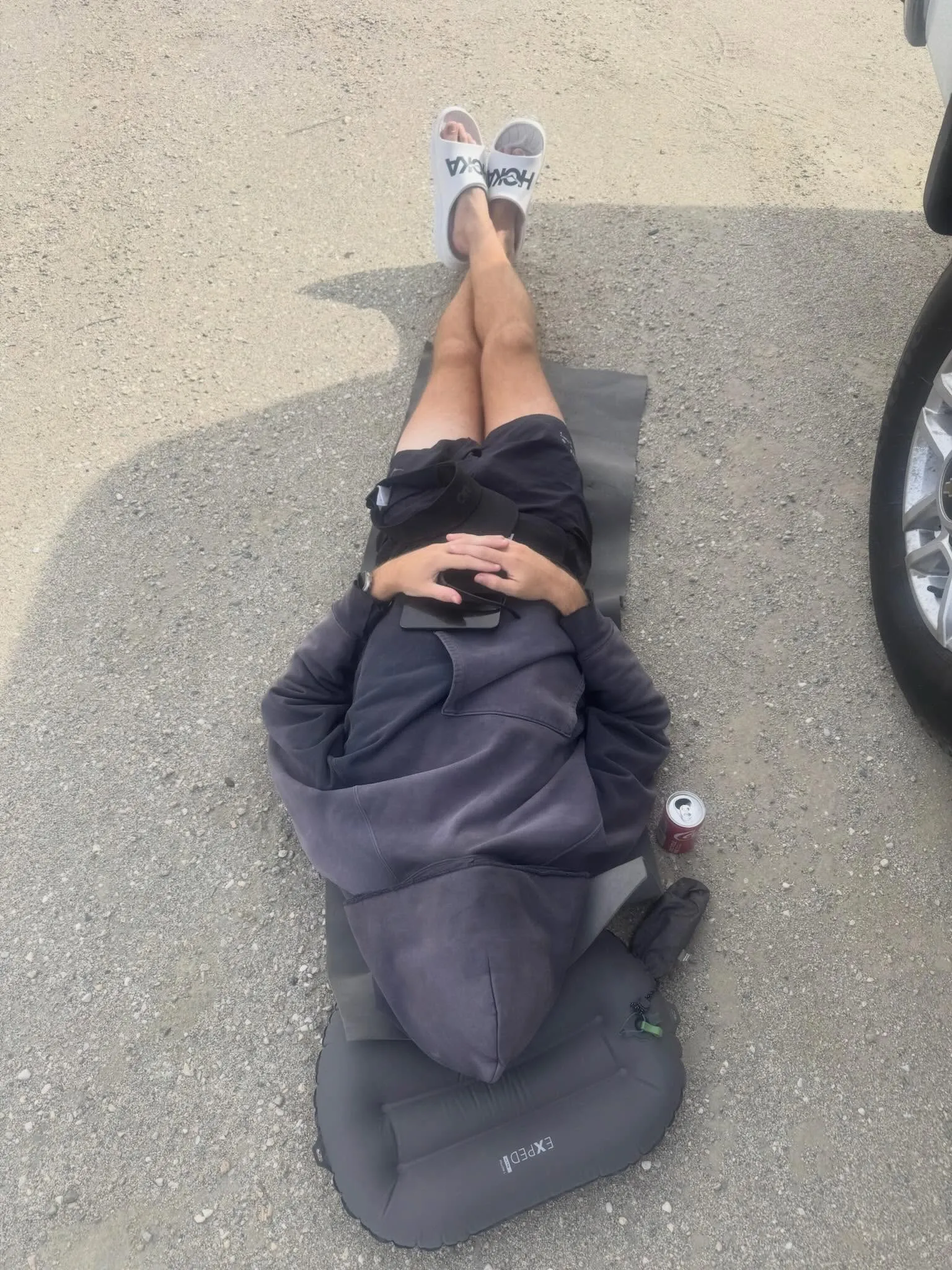
The elevation almost depleted, the fires at the campground come into view. I make my way to the car, fall on the mattress, dunk several Milanos in a jar of peanut butter, and the sudden stop to the continuous motion creates a sensation of momentarily leaving my body.