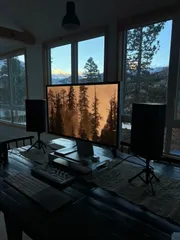
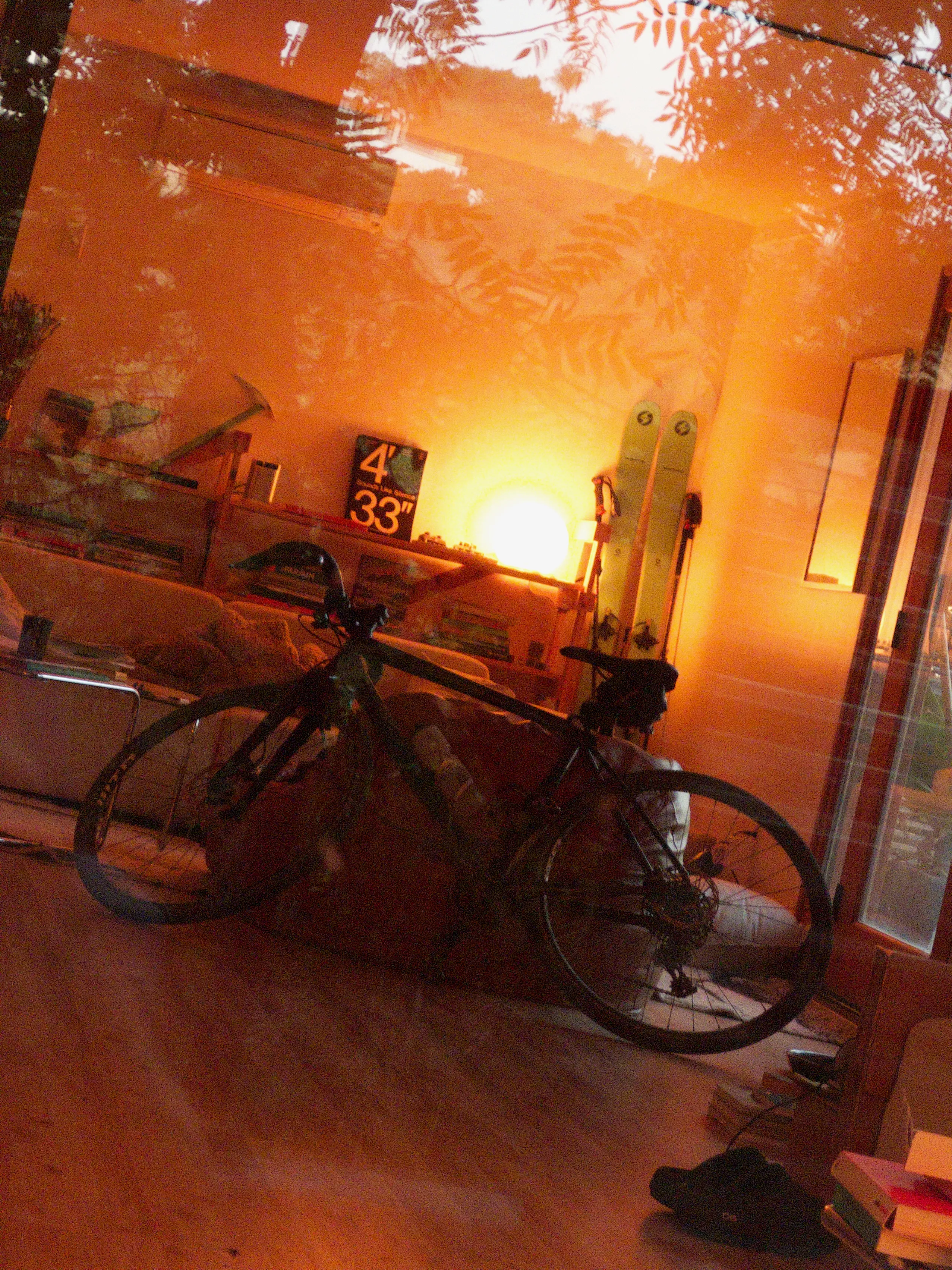
I’m furnishing a new apartment. This is a process I love. Walking into an empty room and staring, moving to another position, staring, going to another room, staring. Imagining. Seeing myself inhabit the space. It’s less thinking, more observing a future me living here, and watching that person move. Dreaming about a way of living, and how decisions may spatially support that. This way of seeing and being is fundamental to good design, from my perspective. And when shaping my personal domestic program I find it comes most naturally. When I design interface, or anything graphical, there is more of a struggle.
Of really trying to solve something in a way that resolves.
But an apartment you live with it, and in it, and over time there is adaptation in response to the slippage between anticipation and reality. This happens when living alongside something. Cohabiting or inhabiting, or both, or something. I really love this.
Dream, build, live, adapt.
There is no end to the loop.
A lot of furniture exists as rigid, fixed things that are browsed, purchased, and consumed. It arrives to you complete. Even Ikea, just unassembled. A state of completion breaks the loop, and in these cases it’s dead on arrival. Static and not a dynamic, changing thing. It’s not alive, and you can feel it, and so you don’t really live with it in the same way.
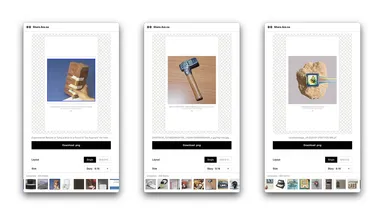
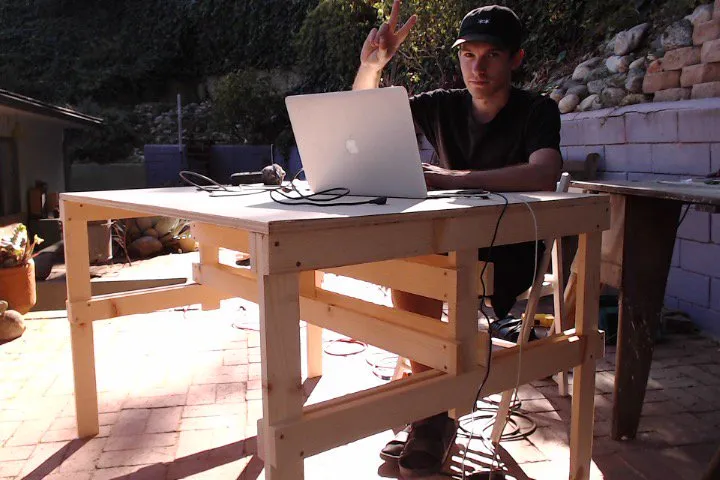
So each apartment I’ve moved into over the past twelve or thirteen years I’ve built at least one or two pieces out of the booklet Autoprogettazione (self-design in Italian). Enzo Mari designed and authored it and generously distributed it for free, minus postage. When I build pieces, I adapt the dimensions to the space, and the material to what’s easily acquired or already on hand. The works are contextual to who, where, when, and all that. You don’t just have a table or shelf, but a living thing, and that’s an affordance of being involved in the making of the thing.
I’m very lazy.
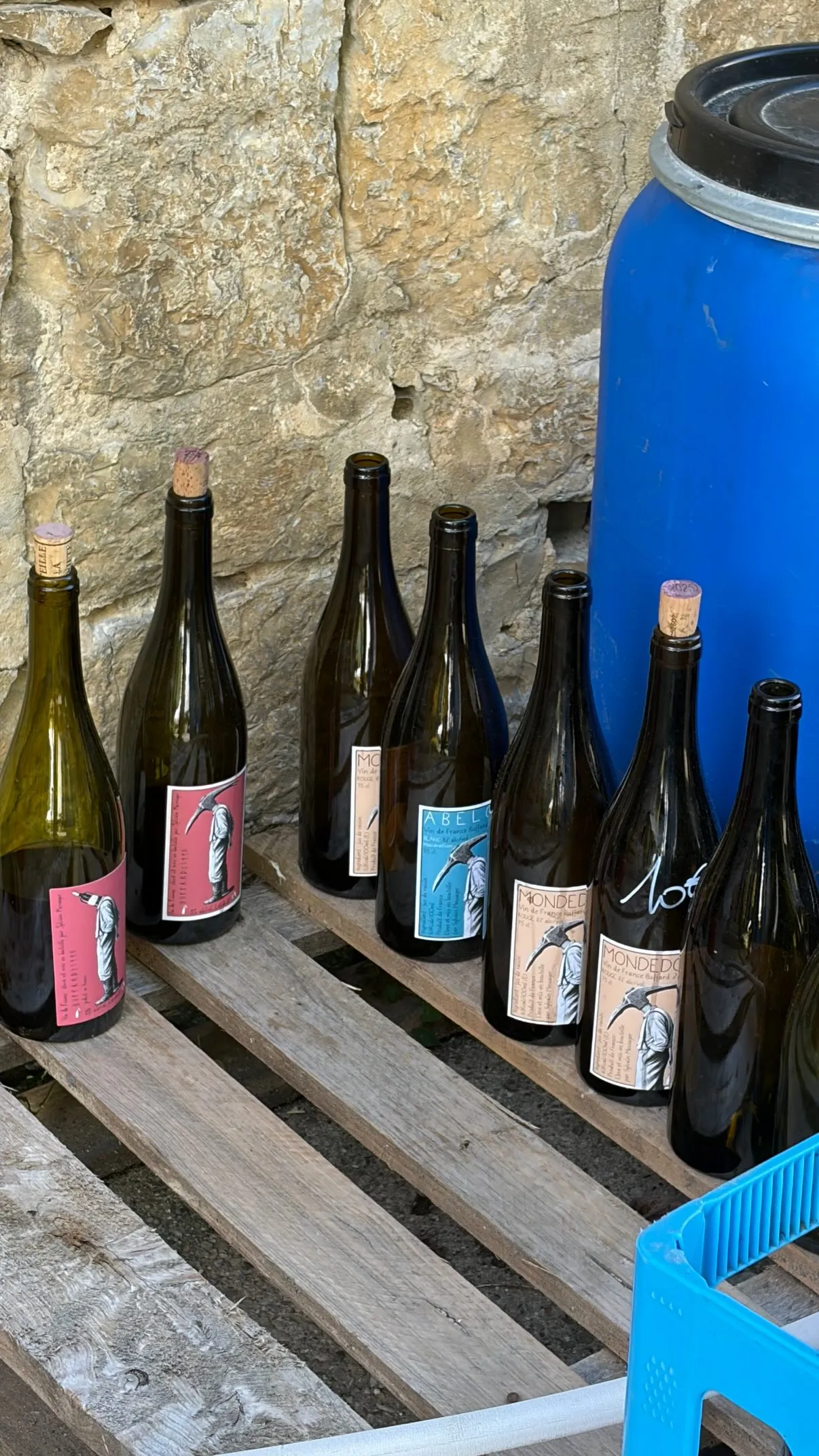
When moving out of an apartment, I want to move as few things as possible. So I take the Enzo Mari pieces I make and list them on Facebook Marketplace as “Mid-century Modern Italian Furniture.” For free of course! The convenience is the point. The furniture, to my eye, is beautiful, imperfections and all, and is usually gone within the day. The fluffy design language is intentional. You must know how to market to the place.
I once attended a dinner party hosted by a stranger by way of a friend. Walking into the kitchen, I saw an Enzo Mari truss table in the center of the room. This was a rare sighting then compared to now, so it came as a surprise. It became clear the person who built it had a few loose screws, as did the table. The design of the furniture allows asymmetry, but this build was quite askew. Looking closer at those screws, I noticed they were the same screws I used several years back.
Then I clocked it: I built this table.
It wasn’t immediately recognizable as the surface was weathered after years of wear and layers of polyurethane. The legs had been shortened at some point when being passed from friend, to acquaintance, to stranger, and so on.
This table was (and maybe still is) truly alive.
Kyle Chayka recently wrote about how the Instagram Feed repeatedly serves him imagery that is of “taste,” but through repetition and ubiquity it begins feeling tasteless. That “good taste becomes bad taste when processed through the engine of the internet.”
It’s not slop, but is subsumed into the slop machine, and starts to taste like slop. The idea that how something arrives to you can shift the spirit and aliveness of a thing is familiar, and I’ve been thinking about how it relates to my apartment.
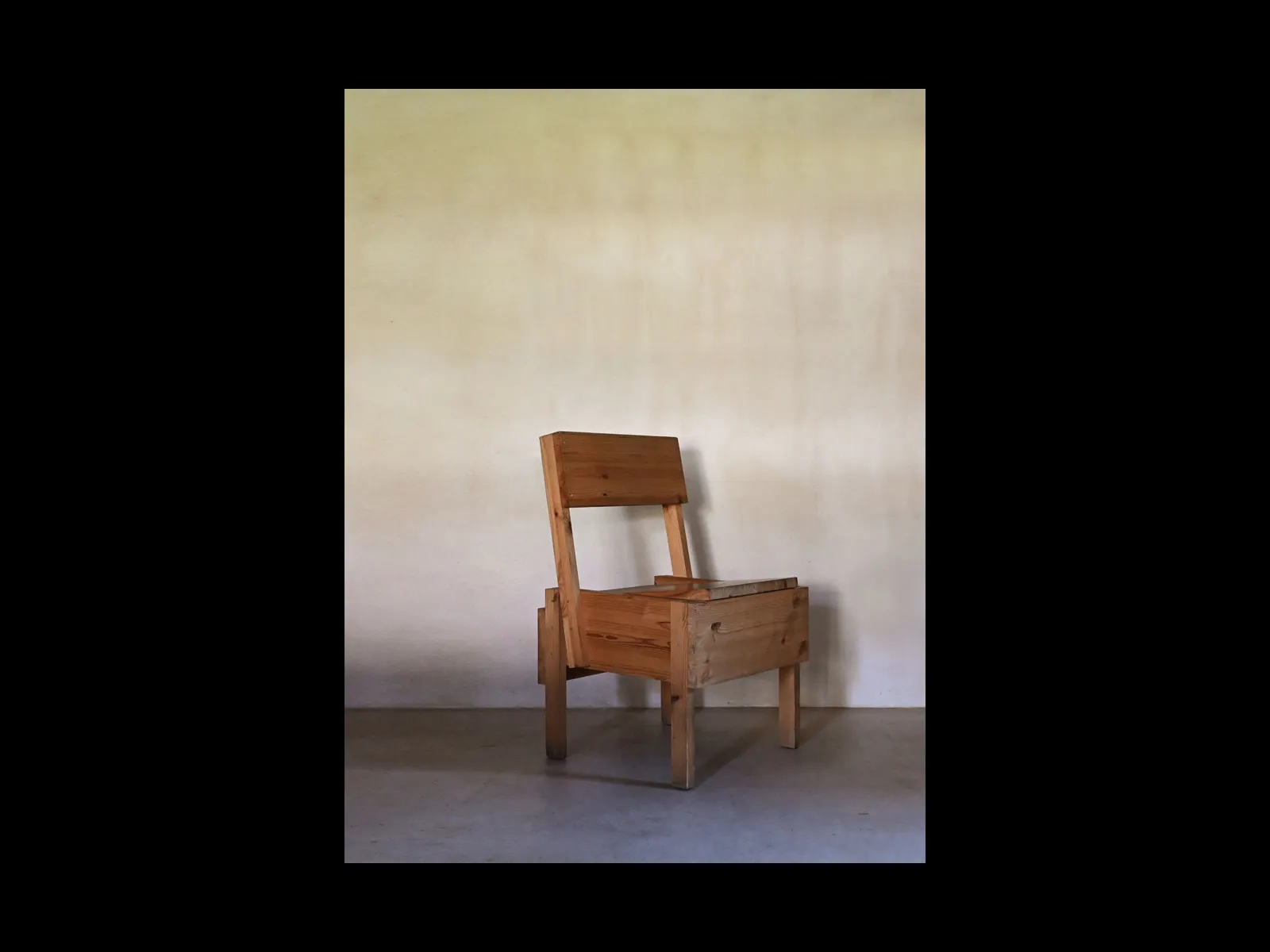
For instance, Artek sells the Enzo Mari chair as a fixed object you can purchase and consume for $2700. A clear change of spirit. Taking a thing meant to create a sense of connection, of involvement, and stripping it of that experience, killing the aliveness. It’s dead on arrival.
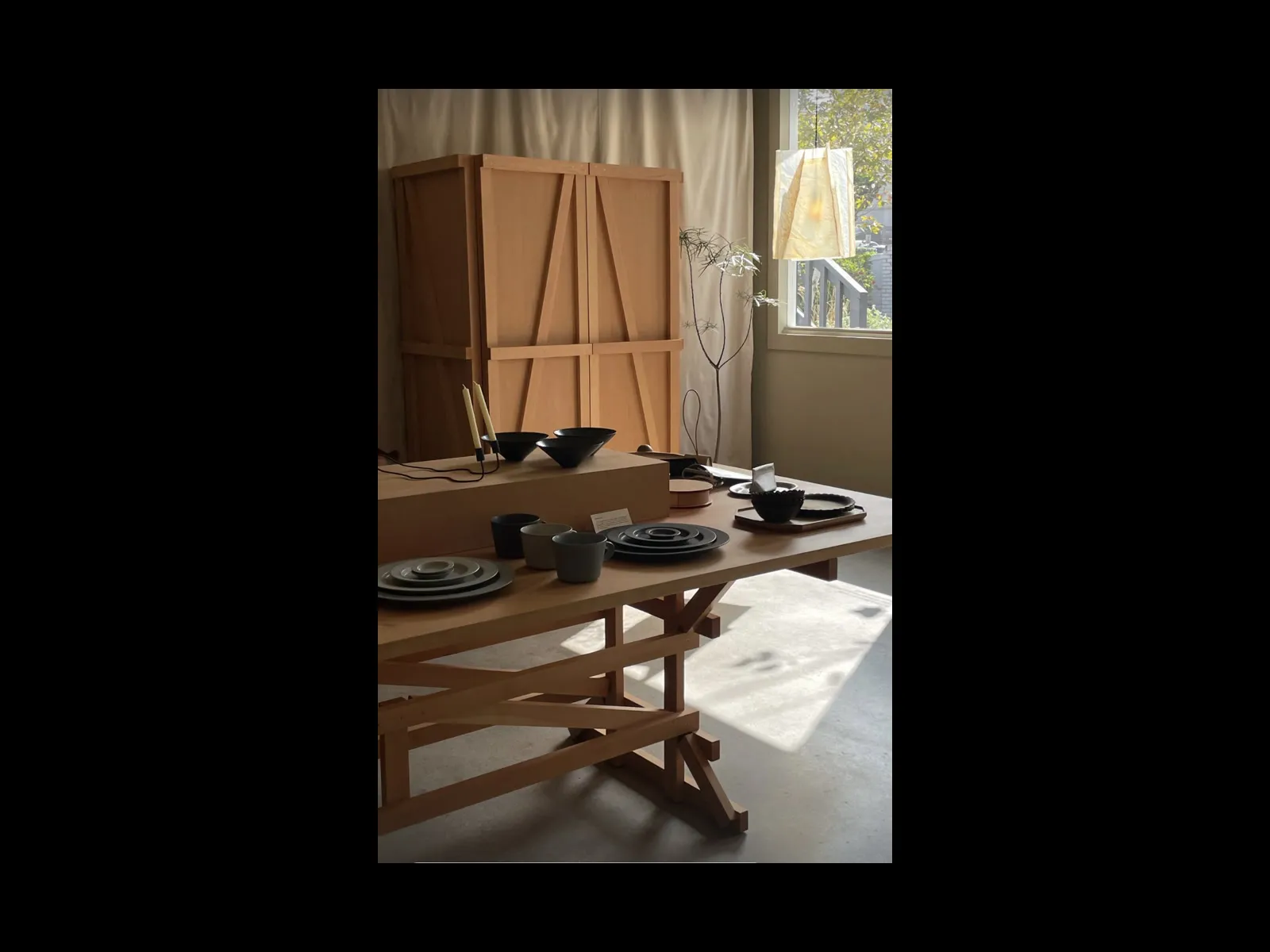
A shop I greatly admire here in Los Angeles, Building Block, furnished their retail storefront with Enzo Mari pieces constructed by an expert craftsman with perfectly squared corners and smoothly planed surfaces. I love the shop, but the furniture caught me off guard, although it looks beautiful. This feels less like slop, but certainly does not feel true to the spirit of Autoprogettazione, and starts feeling like something else. They are complete, made to look good, not to be adaptive living things.
What I’m pointing towards is an updated awareness that takes into account the abundance and speed of the feed when considering how reproduction affects the perception of a thing. How the feed reflects—the feed feeding back into the world, the world feeding back into the feed.
In his writing, Kyle Chayka proposes:
A key function of taste is to be a differentiator. Taste discerns between the common and the uncommon, the unique and the homogenized. If basic markers of good taste become banal, then taste must find other targets. In other words, we must consider which qualities escape the trap of digital amplification that I’ve described here. (Otherwise, how can you be sure what you think looks good isn’t exactly what hundreds of other creatives are also being spoonfed by technology?) Is the only good taste then bad taste?
My explore feed is often dotted with photos of Autoprogettazione, frequently the same black-and-white shots from the original booklet. Or one particular photo of Enzo in a green sweater on one of the Artek-produced chairs. It starts to feel like slop.
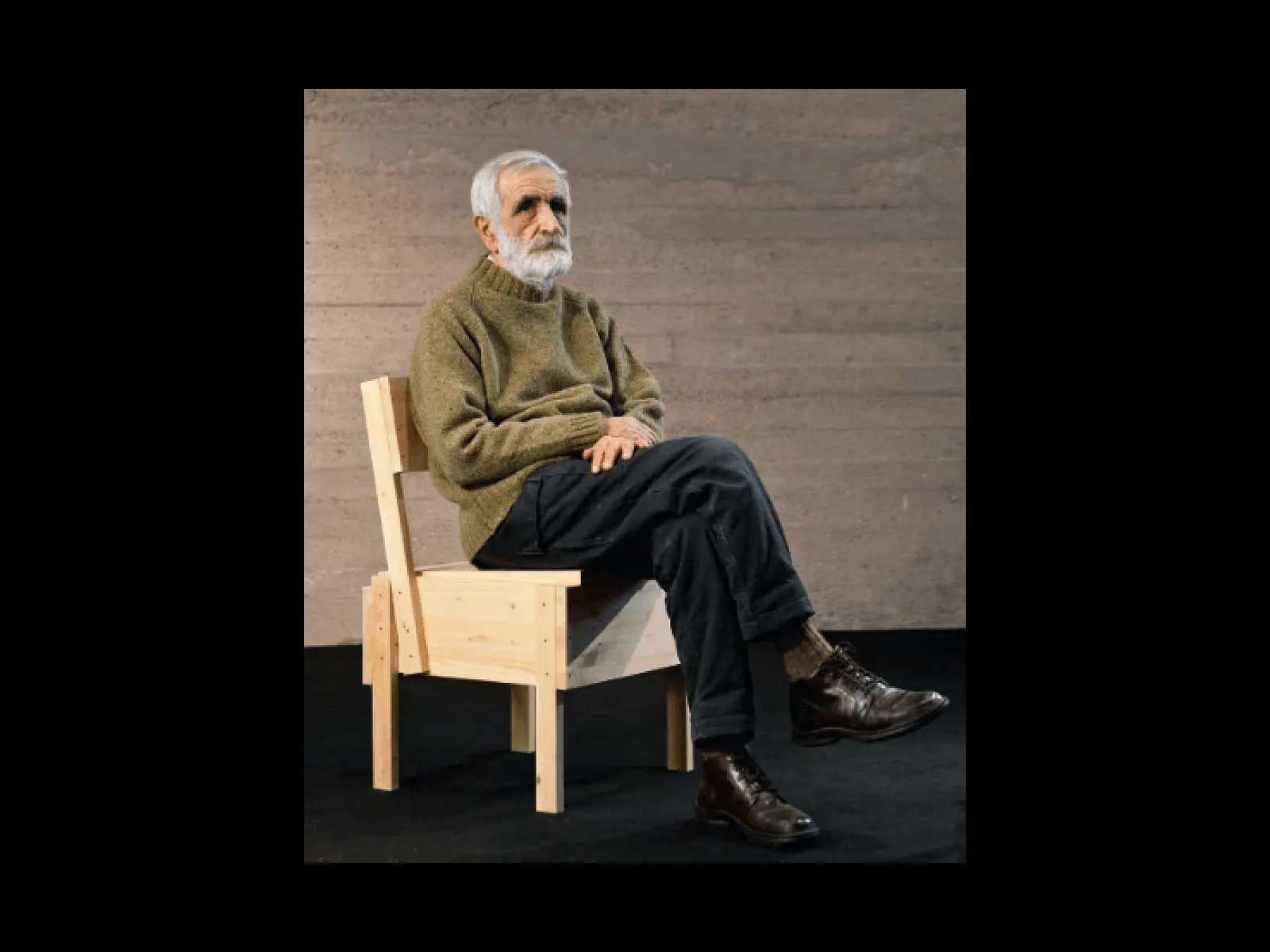
Yet when I see poorly constructed amateur builds of Enzo Mari, it doesn’t feel like slop. It feels unique. It’s not the cleanest build, or anything clever, but is a true expression of the specific personal requirements of each individual, which are noticeable if you care to pay attention.
It’s for me, right now, and right here. It’s improvisational. And it’s a little fucked up. And it’s fun. I would’t call this bad taste, as Kyle proposes in his writing. When I’m dreaming, building, improvising, I’m not considering taste at all. It’s the absence of taste. If you’re aware of how the dream relates to taste while you’re dreaming, you’ve already lost it.
In my eyes, things of great taste are often those which have no concern for it. And this elusive or withdrawn state generates a feeling of attraction and intrigue. There is something to uncover, as the work was produced through a process of uncovering. This work tends to care a great deal about care, and when I see the loop of dream, build, learn, adapt in someone’s work, it feels electric. It’s actually alive.
I recently revisited Donald Judd’s essay Specific Objects. When critiquing shortcomings of painting and sculpture, and describing the motivation for his work, he states:
The objections to painting and sculpture are going to sound more intolerant than they are. There are qualifications. The disinterest in painting and sculpture is a disinterest in doing it again, not in it as it is being done by those who developed the last advanced versions. New work always involves objections to the old, but these objections are really relevant only to the new. They are part of it. If the earlier work is first-rate it is complete.
Attempting to create something new of good taste often leads to cheap reproduction of the past. To do what is known to be “tasteful.” It must be predictable. This is bad taste. There is no contribution.
But not all reproduction is equal, like the work of RO/LU, which invokes Judd out of appreciation and love. The work is an amplification of the original spirit of Judd’s work, almost like furniture as writing, like a love letter. It is deeply earnest and aware, and not attempting to hide anything. It’s loudly pointing towards something.
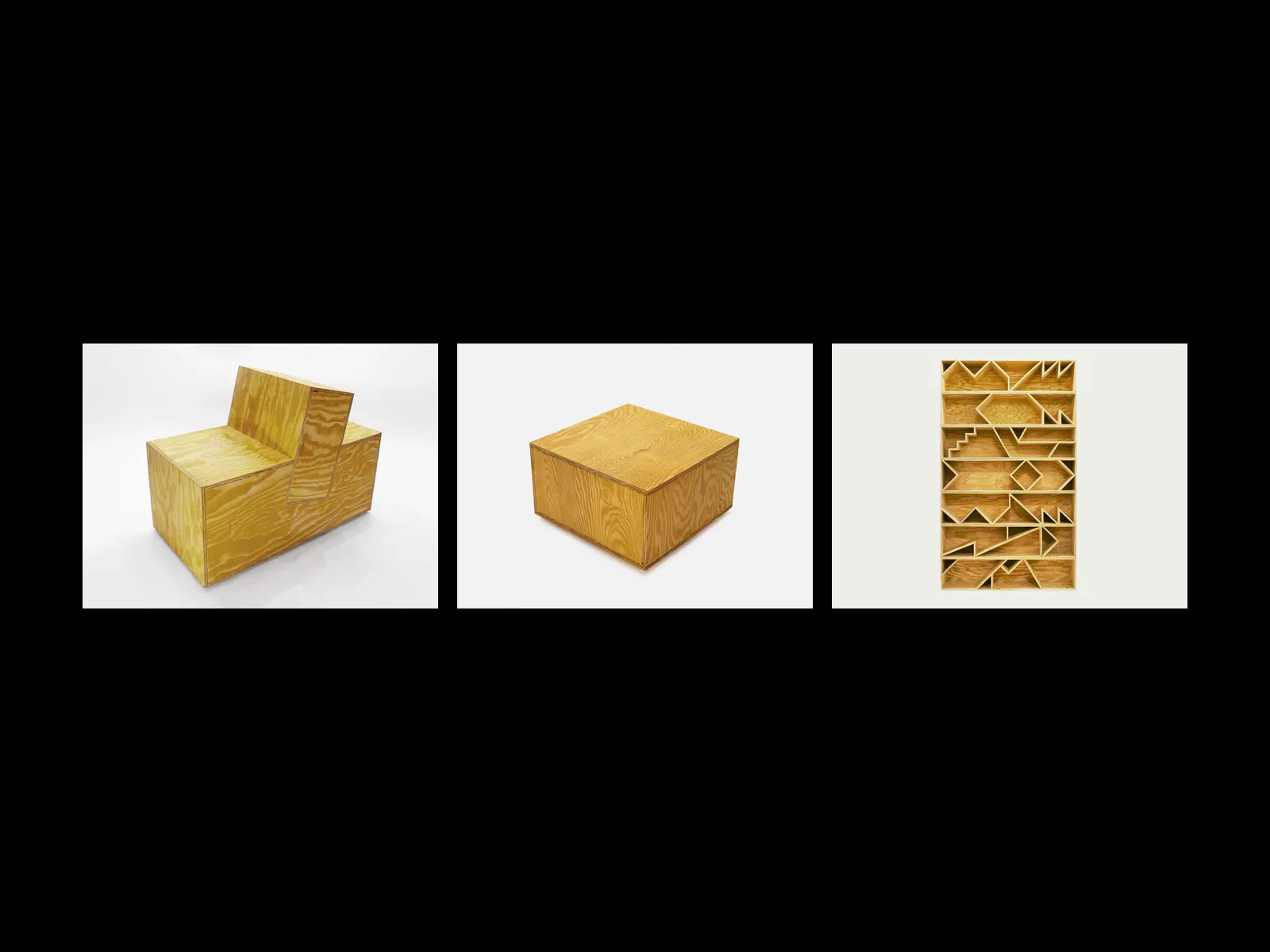
It has no concern for Judd as an expression of taste. It exists beyond taste.
Enzo Mari open-sourced the design of his furniture with Autoprogettazione for anyone to build, and the derivatives which are true to the spirit of the project are of quality, while those that are expertly crafted are of less quality.
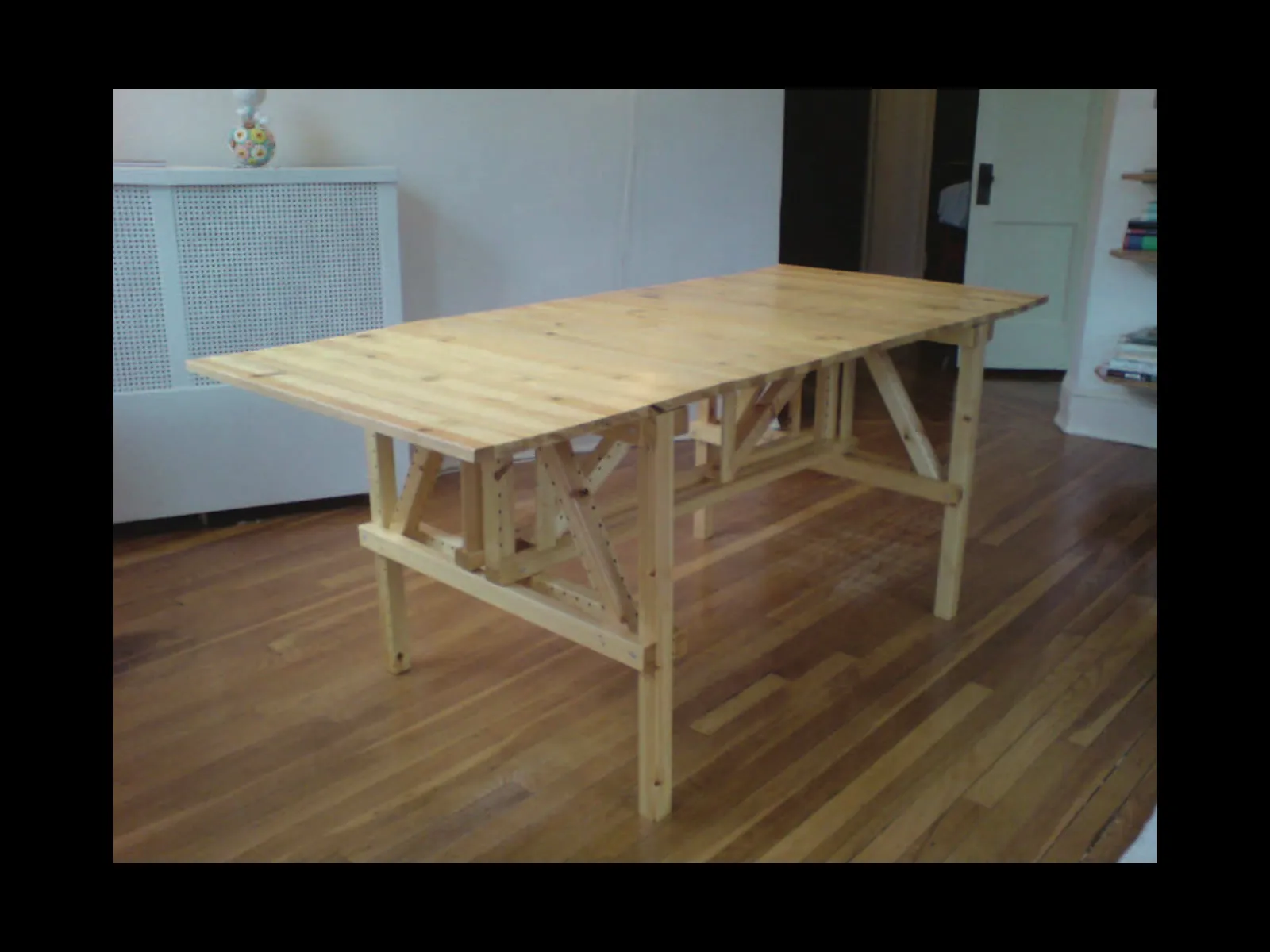
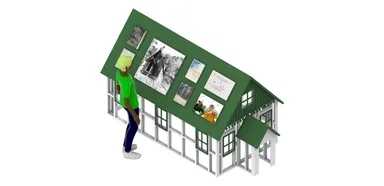
Greg of greg.org created a version of the truss table using only Ikea parts, and freely published a booklet on how to do it. The build is deeply true to the spirit of using what material is on hand. Together, the build and booklet made a great contribution to Autoprogettazione as a living body of work in a way that the expertly crafted Building Block furniture did not.
You could look at it and say “it looks bad,” but you’d be missing the point. It exists beyond taste.
This afternoon an image generated by Eric Hu scrolled into my viewport. It showed a room decorated with sleep apnea equipment.
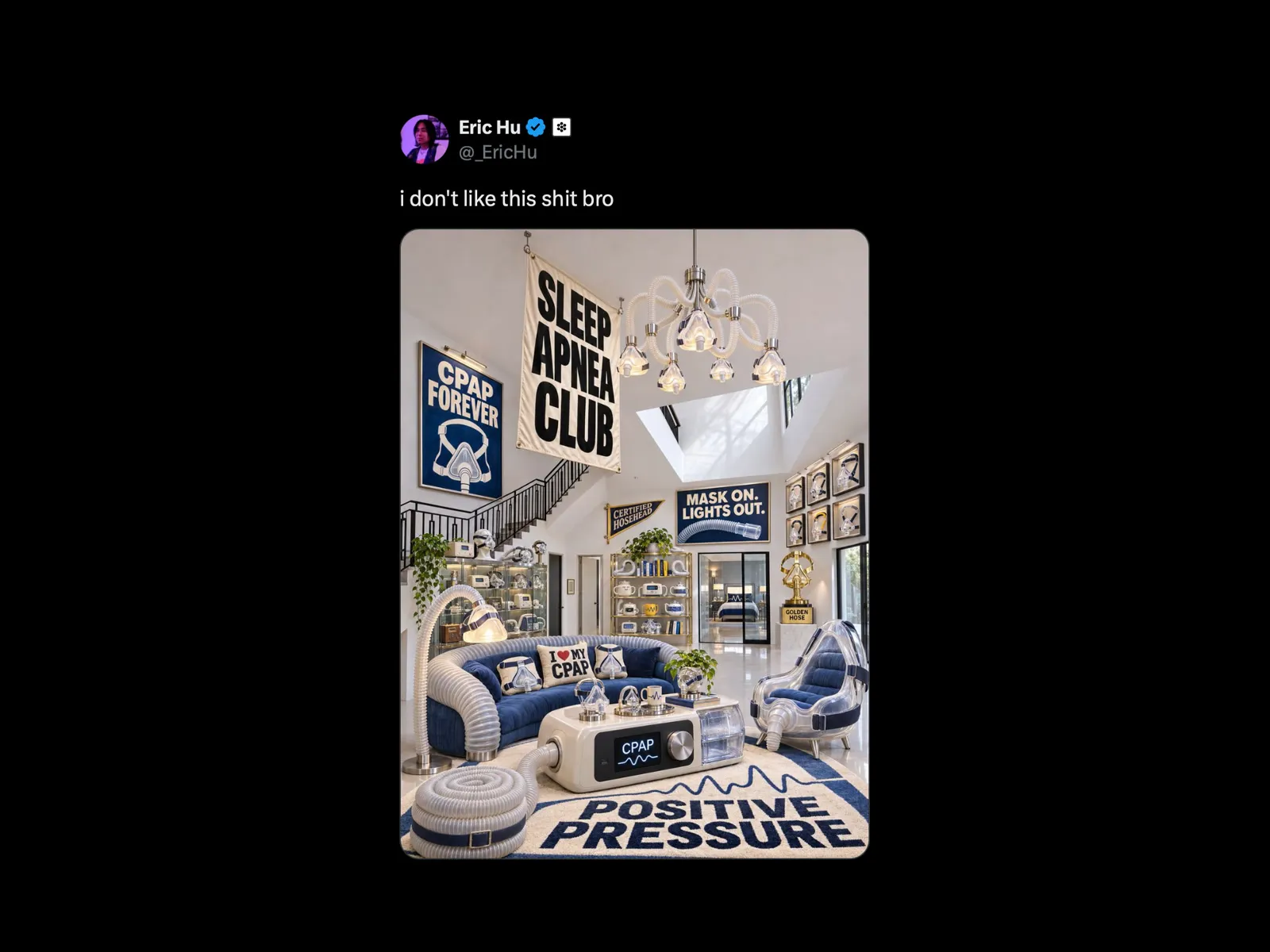
It was a play on a Twitter trend where the original poster fed an image of tabula rasa McMansion Hell into ChatGPT, asking it to design the interior based on ChatGPT’s aggregate memory of the user’s chat history. It spit out man cave slop, decorating the room with a poster from Top Gun, a brown leather couch, and football memorabilia.
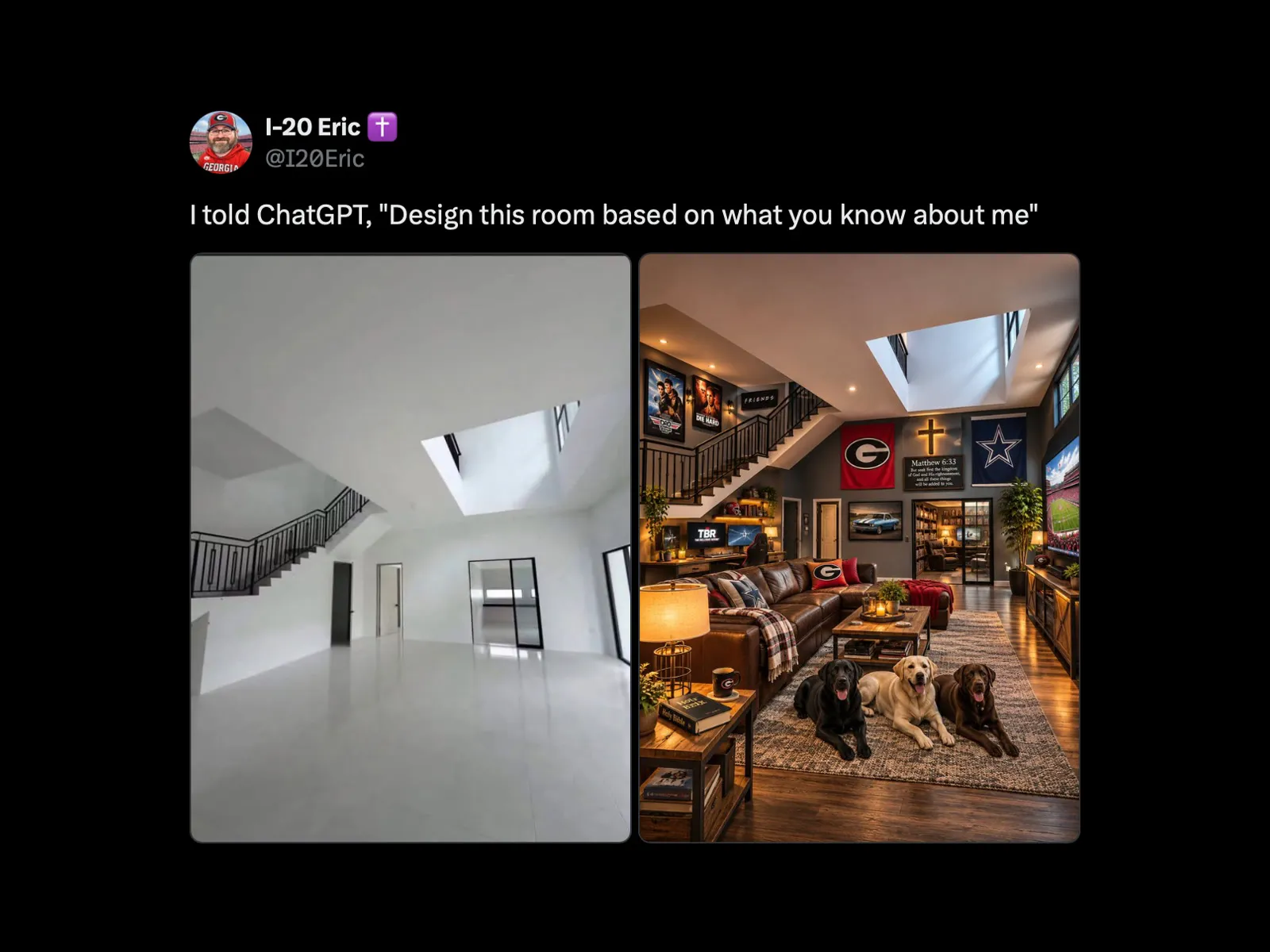
Other users took this prompt and performed the same processes of feeding it their unique ChatGPT memory. The machine churned out more garbage. It’s hard to say if people were in on the joke or not. Some people certainly weren’t, and suggested how to “make the rooms more tasteful.” Predictably, it generated Architectural Digest slop.
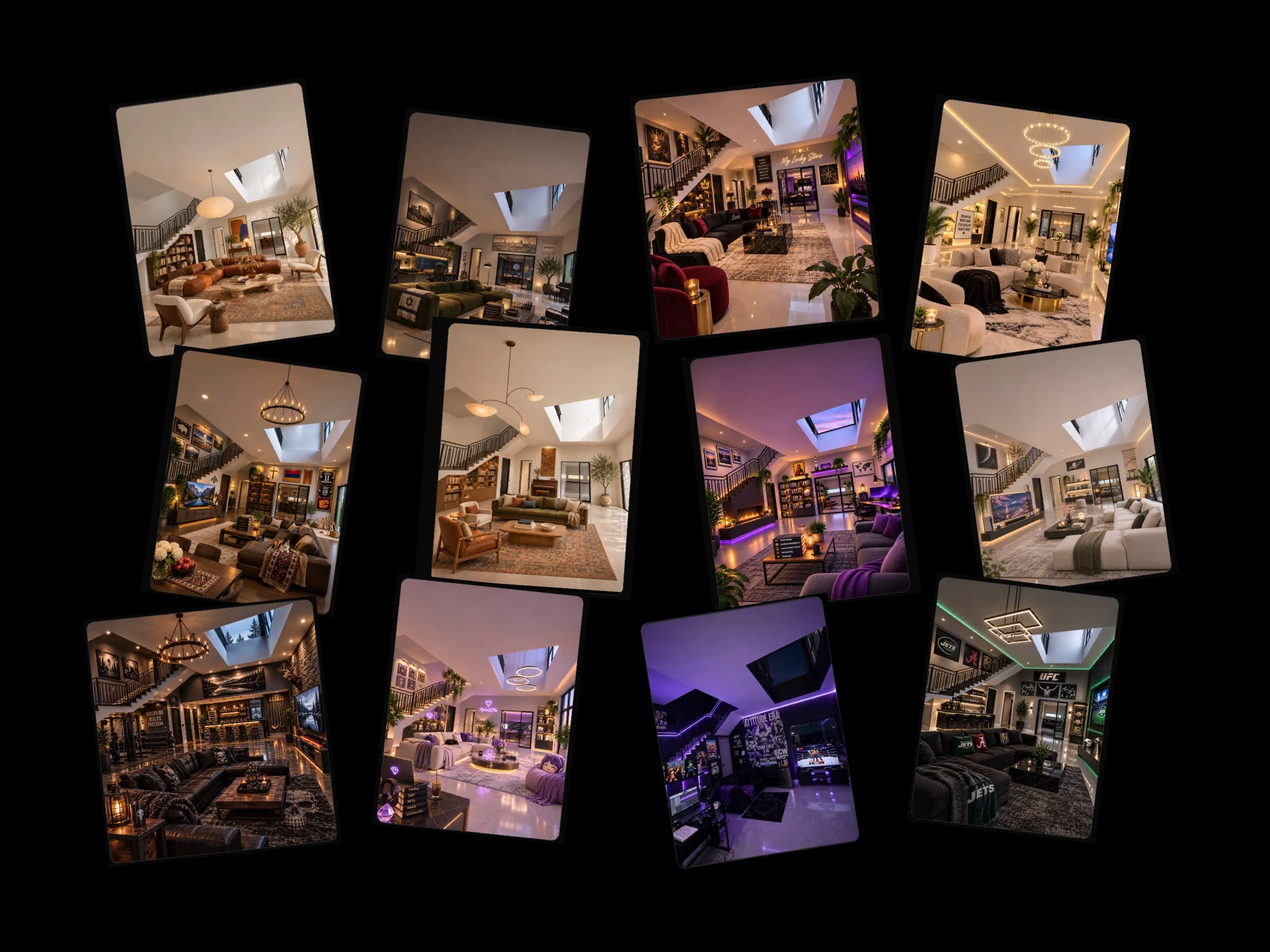
This is a very logical and intelligent way of designing a room. Take the sum total of someone’s chat history and ChatGPT memory as a proxy for who they are to arrive at an output based on predicted latent desire. But there is a disconnect between who is expressing the desire (human) and who is doing the dreaming (ChatGPT) to arrive at the thing, and you can feel it.
And this isn’t a knock on so-called “Artificial Intelligence.” It’s a critique of a certain disconnect, a lack of care, an ultimate convenience in pursuit of desire. I don’t think producing great work requires performing the work, but you have to be curious, and you have to care deeply about it. You can’t outsource the care.
This convenience has been going on for all of history, but the care and dreaming are being outsourced at a much larger scale than ever before with the help of AI trained on infinite feeds. Instead of careless desire being fulfilled only for those with the capital resources, we have democratized a form of carelessness for all.
I believe you can use AI with great care. But you must bring that care and intention—it is not provided for you. So who expresses the desire, and who does the dreaming, and who realizes it? For there to be good work, there must be a loop of aliveness here. Of improvisation.
In daydreaming about my apartment, a memory floated to the surface of a tour the architectural documentarian Kirsten Dirksen shot of Tim Seggerman. He built his house over time by placing some material, observing, and responding to it after years of building an improvisational practice. He began with a loose vision for the house, but the design and build were largely the same process.
Walking around the rooms, he points out aspects of the house and remarks, “Anyone could do it in a day… if they know how.” This is less of “if you know, you know” and more “if you care, you’ll know.” Tim emphasizes working with what’s on hand, and doing it fast. Building the knowledge slowly over time to act fast in the moment through practice. I really admire the use of common material and simple technique to produce something unique and special.
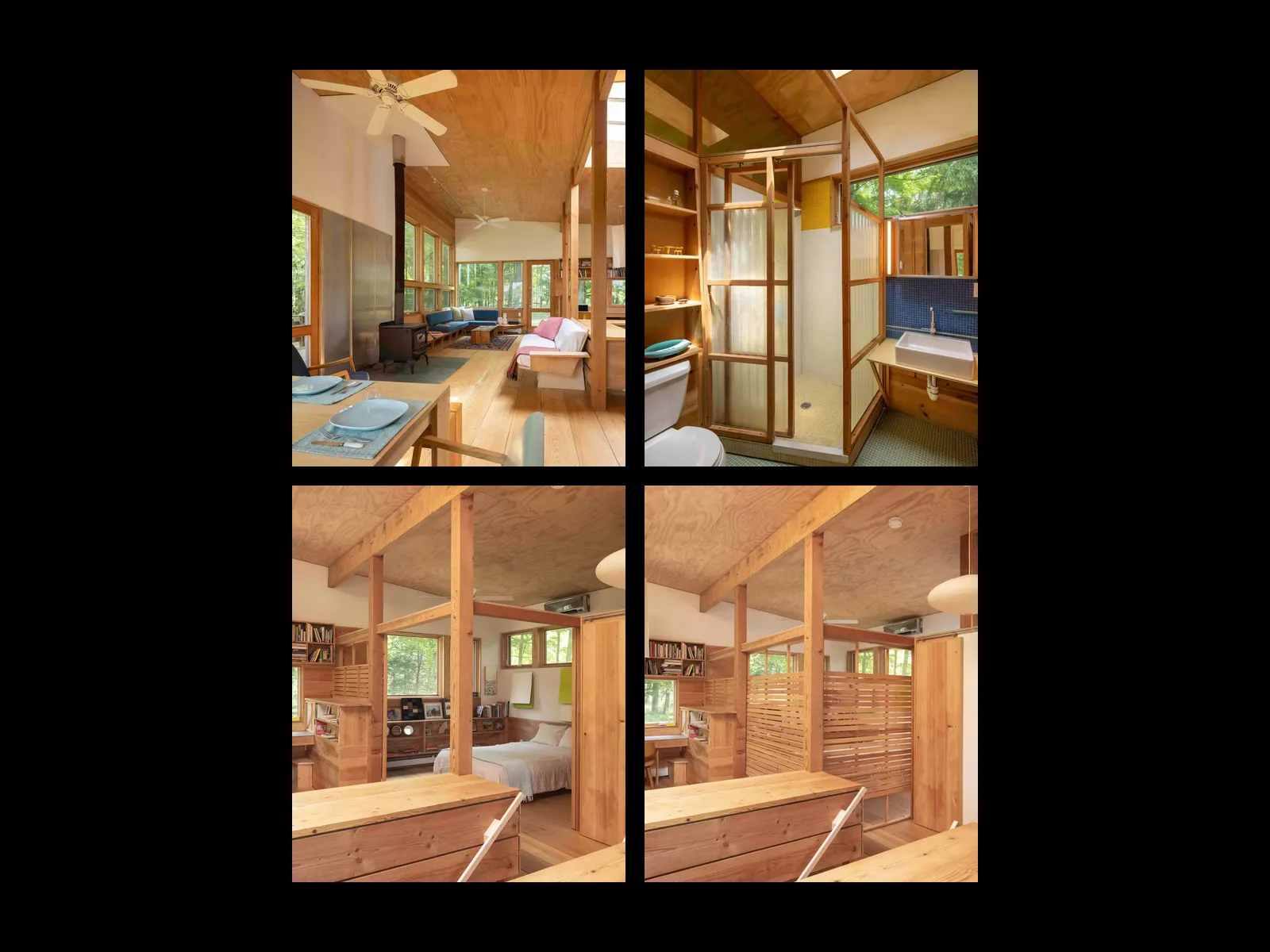
Tim really embodies the spirit of what I’m getting after here, and you can see it expressed in the work. It’s singular.
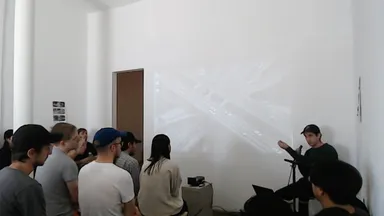
I recently saw Michael Rotondi speak at SCI-Arc. He concluded the talk by saying to “live a life of principle over convenience.” In the end there are no tricks, only care, and what makes it out is what’s alive in the first place.